


Does eating mutton soup affect the common cold?

Whether or not to consume mutton soup during a cold depends on the type of cold. For wind-cold感冒 (characterized by aversion to cold and chills), drinking a small amount of warm mutton soup may help replenish body heat. However, for wind-heat感冒 (characterized by fever, sore throat, and yellow phlegm), consuming mutton soup may exacerbate internal heat, leading to worsening symptoms such as sore throat and excessive phlegm. If cold symptoms progressively worsen—especially with persistent high fever and coughing or wheezing—prompt medical consultation and symptomatic treatment are essential.
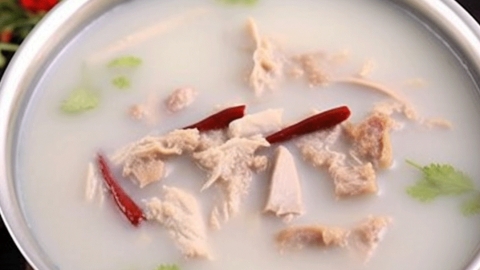
Mutton is a warming, high-protein food with relatively high fat content. In wind-cold感冒—where patients experience chills without sore throat or throat swelling—a small serving of light mutton soup may help replenish energy and support resistance against cold pathogens. However, due to its rich, greasy nature, mutton soup places additional burden on gastrointestinal digestion. Since digestive function is often impaired during a cold, excessive consumption may cause abdominal distension and food stagnation, thereby delaying recovery.
In wind-heat感冒—which typically presents with sore throat, swollen tonsils, and yellow phlegm—mutton soup may intensify internal heat and aggravate discomfort. For common colds, the foundational management includes adequate rest and hydration, supplemented by medications to alleviate symptoms such as fever and nasal congestion. Dietary choices should prioritize light, easily digestible foods like congee or noodles, while avoiding high-fat, nourishing soups. Once the patient’s condition improves, nourishing foods may be gradually reintroduced.
Ensure sufficient fluid intake and ventilate living spaces regularly by opening windows. Limit consumption of spicy, pungent, and heat-inducing foods; maintain regular sleep-wake cycles; and support recovery through balanced, appropriate dietary adjustments—allowing cold symptoms to subside gradually.


