


What Are the Symptoms of Pulmonary Nodules?

Common symptoms of pulmonary nodules include irritative cough, changes in sputum production, dull or uncomfortable chest pain, shortness of breath and fatigue after physical activity, and blood-tinged sputum. If persistent hemoptysis (coughing up blood), high fever accompanied by dyspnea (shortness of breath), or other severe symptoms occur, prompt medical evaluation and treatment at a hospital are strongly recommended.
1. Irritative cough: When a nodule irritates the airway mucosa, an unprovoked, dry cough may develop. This cough lacks a consistent pattern but tends to occur more frequently at night or following physical exertion. It is typically resistant to conventional antitussive therapies and prone to recurrence.
2. Changes in sputum production: Stimulation of airway glands by the nodule may alter sputum volume. In some individuals, sputum volume increases slightly and becomes more viscous. If secondary infection develops, sputum color may change, and the frequency of expectoration may increase.
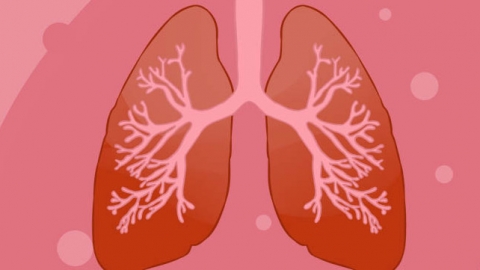
3. Dull or uncomfortable chest pain: When a nodule pulls on the pleural tissue, intermittent dull or aching chest pain may arise. The pain is usually localized to a relatively fixed area and may intensify during deep breathing or body movement. Severe, sharp pain is uncommon.
4. Shortness of breath and fatigue after activity: As the nodule occupies space within the lung, gas exchange efficiency declines. During physical activity, oxygen supply fails to meet demand, leading to increased fatigue, reduced stamina, and diminished exercise tolerance compared with baseline.
5. Blood-tinged sputum: Invasion of small peripheral blood vessels by the nodule may cause minor bleeding. The blood mixes with sputum and appears as streaks or threads of blood within the sputum. The amount of blood varies; recurrent episodes warrant heightened clinical attention.
Avoid exposure to irritating environments such as smoke and dust, and quit smoking entirely. Maintain regular sleep patterns, follow a balanced diet, and adhere to scheduled chest imaging follow-ups to monitor changes in nodule size and morphology—thereby supporting optimal pulmonary health.


