


Is it normal for a low-grade fever to resolve within one day?

A low-grade fever resolving spontaneously within one day is a relatively common occurrence, often associated with the body’s brief immune response to viral exposure or mild physiological stress. However, resolution after a single episode does not guarantee the complete absence of underlying issues; therefore, continued monitoring of subsequent physical changes remains essential. Recurrent fever or persistent lethargy warrants prompt medical evaluation to identify the underlying cause of the fever.
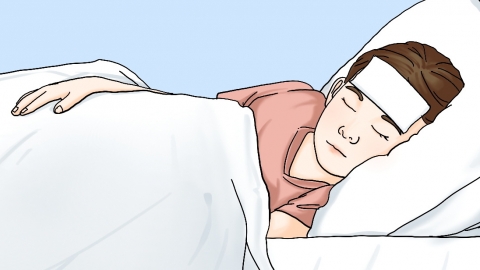
Upon encountering a small number of viruses, the human immune system may mount a transient, low-grade febrile response. As the immune system effectively eliminates the invading pathogens, body temperature typically returns to normal within a short timeframe. Similarly, factors such as fatigue or exposure to a warm environment may also cause a temporary, mild elevation in body temperature, which rapidly subsides with adequate rest. Such episodes generally cause no significant tissue damage, and most individuals recover fully without complications.
Fever serves merely as a signal from the body—not the disease itself. When experiencing low-grade fever, priority should be given to hydration and rest rather than immediate pharmacological intervention. If fever recurs or is accompanied by symptoms such as sore throat, fatigue, or abdominal pain, clinical attention becomes necessary. Even after body temperature has normalized, close observation for several days is recommended to detect possible symptom recurrence and avoid overlooking potential underlying conditions.
Following resolution of fever, maintain adequate fluid intake and avoid sleep deprivation and excessive physical exertion. Adopt a light, easily digestible diet, minimizing spicy and greasy foods to support optimal immune function and reduce the likelihood of recurrent temperature abnormalities.


