


Does recovery from a viral fever mean the illness is completely resolved?

Resolution of viral fever does not necessarily indicate full recovery. A drop in body temperature merely signifies that the acute febrile symptoms are under control; the virus may still persist in the body, and symptoms such as fatigue and cough may continue.
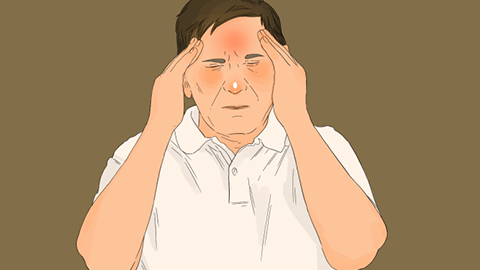
A decline in body temperature reflects only a partial alleviation of the inflammatory response; the virus may still remain in respiratory tissues. Many individuals experience lingering symptoms after fever subsides—such as cough, generalized myalgia (muscle aches), and reduced appetite. Immune system repair requires time, during which the body’s resistance remains relatively low. Premature physical exertion or exposure to cold increases the risk of symptom relapse or even secondary infections.
Management of viral infection is primarily symptomatic. Antipyretics used during the febrile phase serve only to relieve discomfort and do not directly eliminate the virus. Even after fever resolution, adequate rest remains essential—resuming high-intensity activities too soon should be avoided. Close monitoring of all bodily symptoms is crucial: some individuals may develop secondary bacterial infections, and symptom rebound warrants prompt attention. Recovery status should never be assessed based on temperature alone.
After fever subsides, maintain sufficient rest and avoid vigorous exercise too early. Increase intake of warm water, consume light and easily digestible foods, and support your immune function to facilitate complete viral clearance and gradual restoration of overall health.


