


Can air conditioning be used when one has a fever in summer?

During summer, it is perfectly acceptable to use air conditioning when experiencing a fever. Stuffy, hot environments impede the body’s ability to dissipate heat; maintaining an appropriate indoor temperature can alleviate discomfort caused by excessive heat. Avoid direct exposure to cold airflow, ventilate the room regularly by opening windows, and avoid setting the temperature too low. If high fever persists without improvement or if mental alertness declines significantly, seek prompt medical attention to identify the underlying cause of the fever.
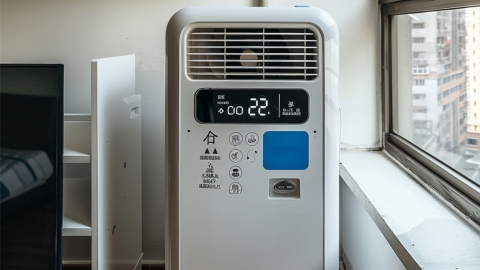
Environmental temperatures are generally higher in summer, and fever further compromises the body’s capacity to dissipate heat. Remaining in a hot, poorly ventilated space may exacerbate symptoms such as dizziness and heat discomfort—and may even cause body temperature to rise further. An optimal air-conditioning setting is 24–26°C. Adjust the air outlet upward to prevent direct airflow onto the head or torso. Because pathogens can accumulate in enclosed spaces, open windows every two to three hours to refresh indoor air.
Do not attempt to “sweat out” a fever by wearing heavy clothing or using thick blankets. Instead, adjust clothing layers according to comfort and perceived warmth. During low-grade fever, focus primarily on hydration and environmental temperature regulation; antipyretic medications may be used if body temperature rises significantly. Even with air conditioning running, monitor the temperature of hands and feet—cover limbs with a light blanket if they feel cool, to prevent excessive thermal stress from large temperature gradients.
Drink ample warm plain water and minimize physical activity to conserve energy. Change into dry clothing promptly after sweating, ensure adequate sleep, and support the body’s immune response to gradually restore normal body temperature.


