


Can patients with a cold drink fish soup?

During a cold, it is acceptable to consume small amounts of light fish soup. Fish soup helps replenish protein and fluids, thereby providing nutritional support to the body. However, rich, heavily seasoned fish soup may burden the gastrointestinal tract and irritate the throat, worsening coughing and phlegm production. If a cold persists for an extended period—especially when accompanied by high fever or chest tightness—prompt medical consultation and targeted treatment are essential.
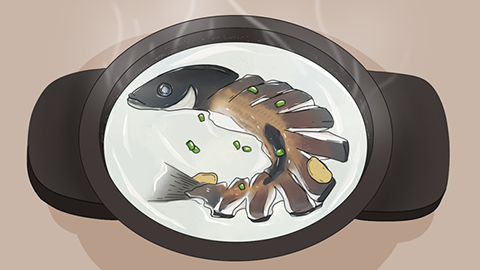
Fish meat is tender and easily digestible; when simmered into a light fish soup, its nutrients are readily absorbed by the body. During a cold, metabolic demands increase, and moderate protein intake supports immune cell synthesis and accelerates recovery. When preparing the soup, be sure to skim off surface oils and use minimal spicy seasonings. Rich, oily broths delay digestion and may cause bloating or nausea, particularly in individuals with weakened gastrointestinal function.
If sore throat and excessive phlegm with coughing are present, fish soup consumption should be limited—excessive intake of meat-based foods may stimulate increased mucus secretion. For common colds, rest and adequate hydration form the cornerstone of management, supplemented as needed with medications to alleviate symptoms. Individuals with seafood allergies must strictly avoid fish soup and instead opt for alternative protein sources such as egg or lean meat congee to meet nutritional needs.
Drink plenty of warm plain water and ensure good indoor air circulation. Prioritize bland, easily digestible staple foods, maintain regular sleep-wake patterns, minimize physical exertion, and thereby facilitate gradual resolution of cold symptoms.


