


Is asthmatic bronchitis serious?

Asthmatic bronchitis is not a life-threatening condition; most patients recover rapidly with standardized treatment. Mild cases typically present only with slight coughing, wheezing, and chest tightness. However, recurrent episodes or poor disease control can exacerbate airway damage and impair respiratory function. Persistent wheezing or tachypnea warrants prompt medical consultation and targeted therapy.
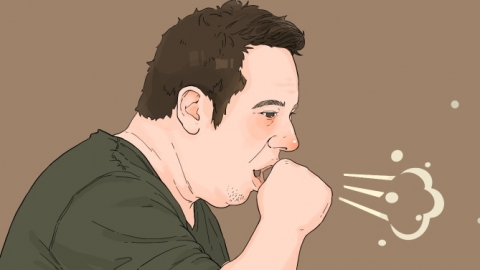
Asthmatic bronchitis commonly results from viral or bacterial infections or airway hypersensitivity. These triggers cause airway mucosal congestion, edema, and bronchospasm, leading to symptoms such as cough, wheezing, and sputum production. Clinically, management focuses on anti-infective therapy, antitussive and bronchodilator treatment, and airway relaxation. Mild cases often resolve with home rest and appropriate pharmacotherapy. Individuals with compromised immunity are prone to recurrent episodes; prolonged or repeated attacks may damage the airway mucosa and increase the risk of developing chronic respiratory diseases.
This condition predominantly affects children and individuals with weakened constitutions. During acute exacerbations, strict bed rest and activity restriction are advised. Exposure to cold air, dust, smoke, pollen, and other airway irritants should be avoided. Patients must strictly adhere to prescribed medications and must not discontinue or reduce doses without medical guidance, to prevent disease relapse. Daily attention to airway health—such as minimizing respiratory infections—effectively reduces recurrence risk and preserves normal airway function.
Regular, moderate physical exercise helps strengthen respiratory resistance. During seasonal transitions, appropriate warmth protection should be maintained, potential allergens avoided, and living environments kept clean and dry—thereby supporting sustained respiratory health.


