


Is emphysema easy to treat?

Emphysema cannot be completely cured, as it is an irreversible chronic lung disease; once the alveolar structure in the lungs is damaged, it cannot regenerate or repair itself. Early intervention, however, can effectively slow disease progression and alleviate respiratory discomfort. If you experience frequent shortness of breath or worsening dyspnea upon exertion, seek timely medical evaluation and standardized management.
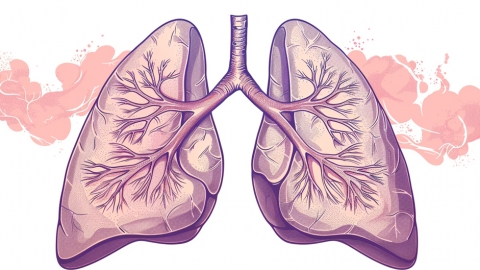
Emphysema commonly results from long-term smoking, recurrent respiratory infections, or chronic environmental irritants. These factors lead to decreased alveolar elasticity and excessive alveolar expansion, ultimately impairing ventilatory function. In early stages, symptoms are often mild—typically presenting as exertional dyspnea—and timely lifestyle modifications combined with bronchodilator therapy can significantly delay disease progression. As the condition advances, daily activities become increasingly impaired, and both cardiac and pulmonary functions may deteriorate, thereby increasing the risk of various complications.
Clinical management focuses primarily on symptom control and slowing disease progression. Long-term, standardized use of bronchodilators is essential, and antimicrobial therapy should be initiated promptly when infection is present. Patients must maintain lifelong pulmonary care by strictly avoiding tobacco smoke, dust, and other respiratory irritants. Regular pulmonary function monitoring is crucial, allowing for timely adjustments to treatment plans based on individual clinical status and helping to reduce the frequency of acute exacerbations.
In daily life, practice gentle breathing exercises and maintain regular sleep-wake cycles. Ensure a nutritionally balanced diet, avoid exposure to smoke and airborne irritants, and gradually engage in physical activity to strengthen cardiopulmonary function—thereby sustaining overall physiological stability.


