


How many days does it typically take to recover from H1N1 influenza?

Most individuals infected with seasonal influenza recover within approximately one week. High fever typically persists for two to four days, while residual symptoms such as cough and fatigue may last longer. Disease duration varies depending on individual factors including physical constitution, age, and underlying medical conditions. If high fever lasts more than five days—especially when accompanied by shortness of breath or chest pain—prompt medical evaluation and treatment are essential.
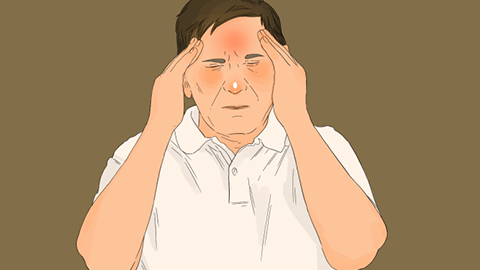
Young and middle-aged adults with robust immune function generally experience rapid defervescence after influenza infection, with body temperature returning to normal within three to four days. Residual symptoms—including cough and generalized fatigue—typically resolve within one week. In contrast, elderly individuals, young children, and patients with pre-existing cardiopulmonary conditions tend to have prolonged illness courses and are at higher risk for secondary pneumonia, resulting in significantly longer recovery times.
During the acute phase, rest and adequate hydration form the cornerstone of management. Antipyretics may be used to alleviate discomfort associated with high fever. Antiviral therapy—when indicated—should be initiated within 48 hours of symptom onset to shorten disease duration. Patients who develop complications require targeted treatment; waiting for spontaneous resolution is inappropriate and may lead to disease progression or prolonged illness.
Ensure regular ventilation of living spaces and maintain sufficient sleep. Choose light, easily digestible foods to minimize energy expenditure, support viral clearance, and accelerate recovery.


