


What is the contagious period for H1N1 influenza?

Most individuals with H1N1 influenza remain contagious for approximately 5–7 days. They can transmit the virus as early as 1–2 days before symptom onset. Viral shedding peaks during the febrile phase and gradually declines after fever subsides. In elderly individuals and young children, viral shedding may persist longer, necessitating extended isolation periods. Persistent high fever accompanied by coughing and wheezing warrants prompt medical evaluation and standardized management.
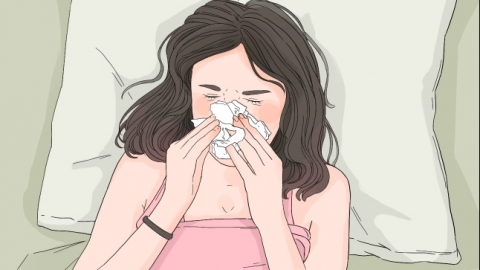
H1N1 influenza virus spreads primarily via respiratory droplets. Infected individuals can shed the virus even during the incubation period, placing close contacts at risk of infection. In healthy young and middle-aged adults, viral shedding markedly decreases within 2–3 days after fever resolution, rendering them minimally contagious. However, in immunocompromised individuals, the duration of viral shedding is prolonged; thus, transmission remains possible even after body temperature has normalized.
Upon confirmed diagnosis of H1N1 influenza, patients should isolate at home and minimize outdoor activities to reduce transmission risk. During the early stage of illness, antiviral medications may be considered based on individual clinical status. Antipyretics can be used during the febrile phase to alleviate discomfort. Thorough hand hygiene is essential after contact with oral or nasal secretions. Regular indoor ventilation helps reduce the risk of intra-household transmission.
When venturing outdoors, appropriate protective measures should be taken, and a balanced, nutrient-rich diet should be maintained. Adequate rest is crucial to bolster immune defenses and lower susceptibility to influenza virus infection.


