


How is rib fracture best treated?

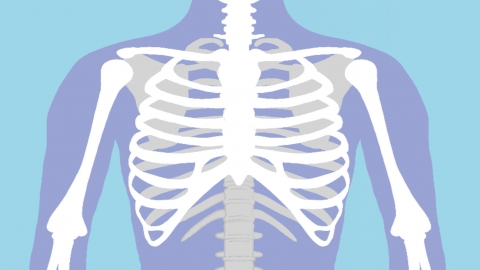
Rib fractures can be managed through rest and immobilization, physical therapy, symptomatic pharmacological intervention, chest wall stabilization, or surgical treatment. If symptoms such as dyspnea or coughing up large amounts of blood-tinged sputum occur, prompt medical evaluation and treatment at a hospital are recommended.
1. Rest and Immobilization Management: Minimize large-range movements involving the thoracic cage—such as twisting, bending forward, or chest expansion. Maintain steady, controlled breathing and avoid forceful coughing that may strain the injured area. Balance bed rest with gentle activity to optimize conditions for bone healing.
2. Physical Therapy: After the acute phase has subsided, apply heat therapy or infrared irradiation to the affected area of the chest wall. These modalities enhance local blood circulation, reduce soft-tissue swelling, alleviate distending pain around the fracture site, and support recovery of the injured region.
3. Symptomatic Pharmacological Intervention: When chest wall pain is prominent, appropriate analgesics should be administered, possibly in combination with agents targeting local swelling and discomfort. This helps relieve bodily pain caused by the fracture, improves tolerance for daily breathing and movement, and requires close monitoring for any adverse drug reactions.
4. Chest Wall Stabilization: When clinically indicated, an external chest binder or rib belt may be used to restrict excessive chest wall expansion. This minimizes friction and displacement between fractured rib ends, reduces movement-related pain, and provides a stable mechanical environment conducive to fracture healing.
5. Surgical Treatment: Surgery is considered when significant rib displacement occurs or when associated internal organ injury is present. Procedures involve anatomical reduction and fixation of the fractured ribs, along with concurrent management of intrathoracic injuries (e.g., lung lacerations, pleural damage), thereby preventing ongoing pulmonary or pleural injury.
In daily life, increase dietary intake of high-quality protein and calcium-rich foods. Practice deep-breathing exercises moderately to lower the risk of pulmonary infection; avoid strenuous physical activity too early in recovery; monitor chest healing progress closely; and support gradual, complete fracture union.


