


How many days does it take for a rib fracture to heal?

Simple rib fractures typically require a clinical recovery period of six to eight weeks. Younger individuals tend to heal more rapidly, whereas older adults or those with multiple rib fractures may experience prolonged recovery times. Pain relief often occurs before the bone has fully healed and solidified; therefore, the disappearance of pain should not be considered a definitive indicator of full recovery. If chest pain progressively worsens and is accompanied by dyspnea (shortness of breath), prompt medical evaluation and intervention are essential.
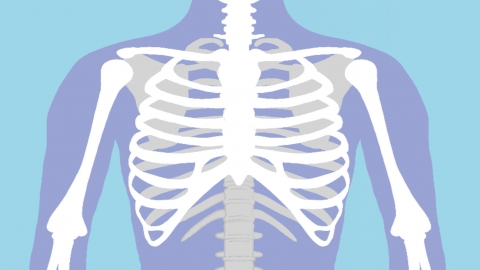
Rib fractures are most commonly caused by external blunt trauma. For isolated, single-site rib fractures, management primarily involves rest and analgesia. In the early phase, patients often experience sharp, localized chest pain during deep breathing or coughing. Initial bony callus formation generally begins within three to four weeks, during which pain gradually subsides. However, bone strength remains insufficient at this stage, and weight-bearing or strenuous activity must still be avoided. Multiple rib fractures involve more severe injury and may also affect the pleura and lungs, significantly prolonging overall recovery time.
Management centers on immobilization, rest, and symptomatic analgesia. In select cases, a thoracic binder may be used to stabilize the chest wall and minimize rib movement. During recovery, patients are encouraged to perform gentle, controlled coughing to facilitate expectoration and prevent mucus stasis in the lungs—which could otherwise predispose to infection. Serial imaging follow-up is recommended to monitor callus formation. Premature resumption of physical labor increases the risk of fracture displacement and delays overall healing.
In daily life, avoid activities involving excessive bending, lifting, or heavy exertion. Ensure adequate dietary intake of high-quality protein and calcium, maintain sufficient rest, and strictly limit vigorous physical activity—these measures collectively support callus formation and promote gradual tissue repair at the fracture site.


