


What Causes Pain in the Lower Limb Muscles After Rest?

Pain in the lower limb muscles at rest may result from several causes, including lactic acid accumulation after intense exercise, prolonged muscle tension due to static postures, myofascial inflammation, peripheral neuritis, or chronic venous insufficiency of the lower limbs. Symptoms can often be alleviated through adequate rest, muscle relaxation, and targeted pharmacotherapy. However, if resting pain recurs frequently, prompt medical evaluation is essential.
1. Lactic acid accumulation following intense exercise: Rapid walking, deep squats, or other vigorous lower-limb activities performed over a short period lead to excessive lactic acid production that cannot be cleared promptly. Accumulated lactic acid in the interstitial spaces of muscles causes aching and soreness during rest. It is recommended to perform gentle post-exercise stretching and light massage of the lower-limb muscles to facilitate the removal of metabolic waste products.
2. Prolonged muscle tension due to static postures: Extended periods of sitting or standing maintain lower-limb muscles in a state of continuous tension and stretch. This leads to progressive muscle fatigue and stiffness; consequently, dull or aching pain may emerge even at rest. Regular movement of the lower limbs is advised—avoid maintaining fixed, static positions for prolonged durations—and consciously relax local musculature.
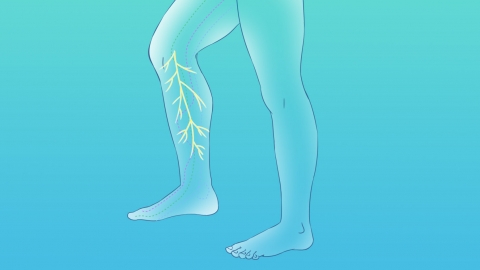
3. Myofascial inflammation: Chronic mechanical strain on the fascia of the lower limbs triggers sterile inflammatory changes, resulting in fascial hyperemia and edema. During rest and muscle relaxation, this underlying inflammation becomes more apparent, manifesting as persistent aching pain. Under physician guidance, patients may use diclofenac sodium sustained-release tablets to alleviate symptoms. Avoid excessive weight-bearing on the lower limbs and ensure adequate warmth for the affected areas.
4. Peripheral neuritis: Minor injury to peripheral nerves in the lower limbs disrupts normal nerve conduction and increases neural sensitivity. In the absence of external stimuli during rest, abnormal neural signaling becomes pronounced, leading to perceived muscle pain. Mecobalamin tablets may be prescribed under medical supervision to relieve discomfort. Avoid cold exposure or pressure on the lower limbs and minimize local irritants.
5. Chronic venous insufficiency of the lower limbs: Impaired venous return slows blood flow, causing blood stasis within the lower-limb musculature. At rest, venous congestion worsens, resulting in a sensation of heaviness, swelling, and dull ache. Diosmin tablets may be used under physician guidance to improve symptoms. Elevating the lower limbs during rest helps promote venous return.
In daily life, avoid overexertion of the lower limbs; stretch and relax muscles promptly after physical activity; maintain appropriate warmth; minimize prolonged sitting or standing; engage in regular, moderate limb movement; and thereby preserve optimal muscular and vascular health in the lower extremities.


