


Does heel pain while walking indicate a joint problem?

Heel pain during walking is not exclusively caused by joint disorders; it can also stem from plantar fascia injury, calcaneal bone changes, or local soft tissue damage. Degenerative changes in the calcaneal joint represent only one possible cause—pain alone should not be used to diagnose joint damage. Persistent heel swelling and pain, especially when accompanied by significantly impaired mobility, warrant prompt medical evaluation and appropriate diagnostic testing.
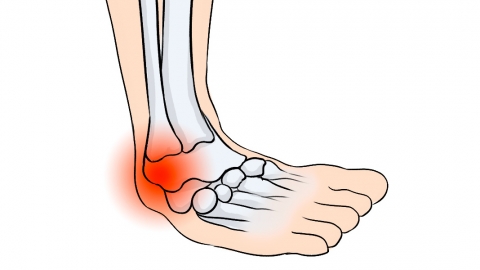
When degenerative changes occur in the calcaneal joint—such as joint surface wear—they may cause heel pain during weight-bearing activities, often accompanied by discomfort or stiffness in ankle joint movement. However, most cases of heel pain are attributable to plantar fasciitis. Prolonged walking or wearing shoes with excessively rigid soles repeatedly strain the plantar fascia, triggering localized aseptic inflammation. Similarly, calcaneal bone spurs or thinning of the heel fat pad can also produce pain upon pressure or weight-bearing.
Effective management of heel pain requires accurate identification of the underlying cause. For joint degeneration, treatment focuses primarily on reducing mechanical load and anti-inflammatory interventions. In cases of plantar fascia injury, minimizing prolonged standing or walking is essential, supplemented by stretching and relaxation exercises targeting the plantar soft tissues. Avoid indiscriminate use of oral analgesics to mask symptoms; instead, identify and address the root cause. Choose supportive footwear—avoid hard-soled shoes—and reduce sustained pressure on the heel.
In daily life, perform gentle, regular stretches of the plantar fascia and limit prolonged standing or walking. Select footwear and socks with appropriate cushioning—neither too soft nor too rigid—to absorb heel impact. Maintain a healthy body weight to decrease mechanical load on the feet and lower the risk of recurrent heel pain.


