


What should I do for a right-sided skull fracture?

Right-sided skull fractures can be managed through bed rest with close monitoring, local physical interventions, symptomatic pharmacological treatment, prevention and management of complications, and surgical intervention when necessary. If symptoms such as frequent vomiting or altered mental status occur, prompt medical evaluation and treatment at a hospital are strongly recommended.
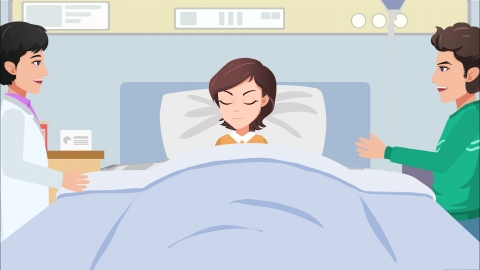
1. Bed Rest and Monitoring: Minimize head movement, sitting up, or ambulation; ensure a quiet environment for rest. Closely monitor consciousness level and pupillary responses. Maintain an appropriate head position to reduce intracranial pressure fluctuations and prevent secondary traumatic brain injury.
2. Local Physical Interventions: For scalp swelling or hematoma, apply cold compresses during the acute phase to constrict subcutaneous blood vessels and minimize bleeding and exudation. Once the condition stabilizes and enters the recovery phase, switch to warm compresses to accelerate resolution of localized ecchymosis—avoiding areas of broken or compromised skin.
3. Symptomatic Pharmacological Management: Administer analgesics for significant headache, combined with agents that mitigate cerebral edema. Control systemic inflammatory responses and alleviate various head-related discomforts. Monitor neurological status, blood pressure, and other vital parameters throughout treatment.
4. Complication Prevention and Management: Vigilantly monitor for risks including intracranial hemorrhage, infection, and seizure activity. Ensure airway patency, carefully regulate total fluid intake, and promptly identify any abnormal physiological changes to minimize secondary damage.
5. Surgical Intervention: Surgery is indicated in cases of deep depressed skull fracture, progressive intracranial hemorrhage, or cerebral compression. Procedures may include evacuation of hematomas, reduction or removal of fractured bone fragments, and decompression of affected brain tissue to preserve critical intracranial structures.
During recovery, ensure adequate rest and avoid premature physical exertion. Increase dietary intake of high-quality protein and vitamins. Avoid external trauma or impact to the head, and undergo scheduled cranial imaging follow-ups to support gradual neurological recovery.


