


What Are the Symptoms of Cervical Instability?

Cervical instability syndrome manifests with symptoms including recurrent neck and shoulder soreness, audible crepitus during neck movement, dizziness and discomfort in the head, radiating numbness and pain in the upper limbs, and restricted posture and mobility. If persistent dizziness, vomiting, limb weakness, or gait instability occur, prompt medical evaluation and treatment are strongly recommended.
1. Recurrent neck and shoulder soreness: Reduced structural stability of the cervical spine forces the neck musculature to continuously contract to maintain postural equilibrium. Prolonged muscular tension and overuse lead to frequent dull aching and soreness—symptoms that intensify with fatigue, prolonged forward-head posture, or extended periods of sitting; rest provides only minimal relief.
2. Audible crepitus during neck movement: Abnormal vertebral alignment causes friction and sliding between adjacent vertebrae during flexion, extension, or rotation of the neck. This results in distinct joint “popping” or “cracking” sounds, often accompanied by mild soreness or tightness. Frequent movement exacerbates vertebral friction and local tissue strain.
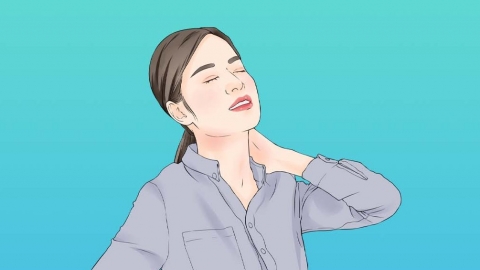
3. Dizziness and head discomfort: Cervical vertebral misalignment may impair blood flow through the vertebral arteries, leading to fluctuating cerebral perfusion and oxygenation. Dizziness is commonly triggered by positional changes—such as turning the head or bending forward—and some individuals experience mental fogginess, which can interfere with gait stability and visual focus.
4. Radiating numbness and pain in the upper limbs: Unstable vertebrae may compress cervical nerve roots, disrupting normal neural conduction. Pain and numbness typically radiate along the arm, potentially affecting the shoulder, arm, and fingertips. Frequent episodes can impair hand grip strength and interfere with daily activities.
5. Restricted posture and mobility: Inadequate cervical stability leads to passive reduction in the range of motion for flexion, extension, and rotation. To avoid discomfort, individuals unconsciously limit neck movement, resulting in prolonged static postures. Over time, this contributes to stiffness in the neck and shoulder musculature and worsens postural imbalance.
Maintain proper sitting and standing posture in daily life; avoid prolonged forward-head posture or extended desk work. Engage in moderate exercises targeting the deep cervical and scapular stabilizing muscles to reinforce spinal integrity. Keep the neck adequately warm, minimize abrupt or forceful neck rotations, and adopt preventive strategies to reduce symptom recurrence.


