


Does Joint Pain Caused by Air Conditioning Indicate a Medical Condition?

Joint pain following air conditioner use does not necessarily indicate an organic pathological condition; in some cases, it is merely a transient musculoskeletal stress response triggered by cold exposure. However, it may also signal underlying joint degeneration or inflammation. Cold air acts only as a precipitating factor—not the root cause—of the pain. If joints repeatedly swell, ache, or exhibit restricted mobility, prompt medical evaluation is essential to rule out intrinsic joint pathology.
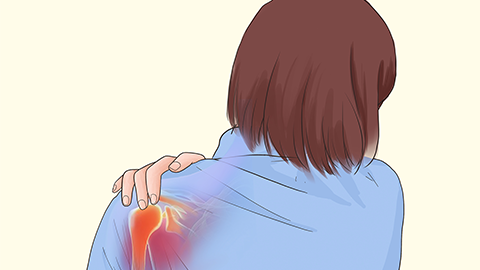
Air conditioning induces low-temperature stimulation, causing vasoconstriction around the joints, slowing local blood circulation, and triggering muscle and ligament spasms. Even healthy joints may experience brief soreness under such conditions, with discomfort gradually subsiding once the individual returns to a warmer environment. In individuals with pre-existing osteoarthritis or synovitis, structural damage within the joint is already present; cold exposure exacerbates local inflammatory responses, thereby intensifying pain.
Transient pain caused solely by cold exposure typically improves with local warming measures and warm compresses. Once joint inflammation is confirmed, treatment should be tailored to the specific pathology—such as anti-inflammatory therapy or physical rehabilitation. It is critical not to attribute all joint discomfort solely to cold exposure, thereby overlooking genuine intra-articular damage and delaying appropriate, timely intervention.
During summer, maintain indoor temperatures at comfortable levels using air conditioning, and take precautions to protect limbs and joints. Incorporate regular, moderate exercise into daily routines to strengthen periarticular muscles, enhance joint resilience, and reduce the frequency of cold-induced soreness.


