What should I do for trapezius muscle soreness?
Sep 05, 2026
Source: Cainiu Health

Dr. Chen Jian
Introduction
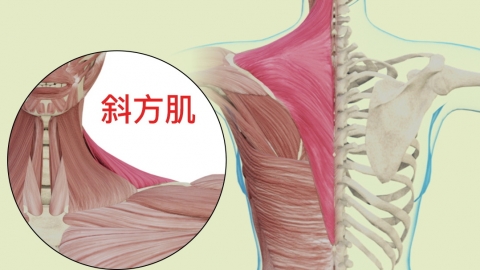
Trapezius muscle soreness can be managed through various approaches, including correcting daily postural habits, undergoing physical therapy, using medications for symptomatic relief, applying local relaxation techniques, and, in rare cases, surgical intervention. If persistent shoulder and back weakness or radiating numbness in the arms occurs, prompt medical evaluation and treatment at a hospital are recommended.
Trapezius muscle soreness can be managed through various approaches, including adjusting daily postural habits, undergoing physical therapy, using medications for symptomatic relief, performing localized relaxation techniques, and, in rare cases, surgical intervention. If persistent shoulder and back weakness or radiating numbness in the arms occurs, prompt medical evaluation and treatment are recommended.
1. Adjusting Daily Postural Habits: Correct poor posture such as shoulder shrugging and forward head/rounded back positioning. Minimize prolonged desk work and heavy lifting. Regularly change body positions to prevent sustained tension in the shoulder and back muscles, thereby reducing prolonged mechanical stress on these muscle groups.
2. Physical Therapy: Apply heat therapy or infrared irradiation to the sore area to enhance local blood circulation in the shoulder and upper back region. This helps relax tense, spastic muscle fibers, alleviate muscular stiffness, facilitate removal of metabolic waste products, and reduce the aching and swelling sensation associated with trapezius muscle soreness.
3. Pharmacological Symptomatic Management: When soreness is severe, oral or topical analgesics may be used to reduce local inflammatory responses and improve shoulder and back discomfort. During medication use, monitor gastrointestinal status and skin reactions, and strictly adhere to prescribed dosages.
4. Localized Relaxation Techniques: Utilize professional massage therapy and targeted muscle stretching to relieve tension in affected muscles and realign muscle fiber orientation. This alleviates distending pain caused by myofascial trigger points and improves shoulder and back mobility. Ensure application of moderate pressure during these procedures to avoid excessive force that could cause secondary injury.
5. Surgical Intervention: Surgery may be considered when chronic muscular pathology—such as fibrotic adhesions—fails to respond adequately to conservative treatments and significantly impairs daily functioning. Surgical procedures aim to release adhesions, decompress abnormally compressed tissues, and restore normal function of the shoulder and back musculature.
In leisure time, perform gentle shoulder and upper-back stretching exercises regularly. At night, select a pillow of appropriate height for sleeping. Avoid direct exposure of the shoulders and back to cold drafts, refrain from carrying heavy loads on one shoulder only, distribute weight evenly across both shoulders, and thus minimize recurrence of muscle soreness.