


What does osteopenia mean?

Osteopenia represents a decline in bone mass, with bone mineral density (BMD) falling below normal levels but not yet reaching the threshold for osteoporosis. It is considered an intermediate stage in bone health deterioration. Common causes include calcium loss, insufficient physical activity, and hormonal changes. Timely intervention can effectively slow further bone loss. Frequent low back or dorsal pain warrants prompt medical evaluation, including BMD testing to assess skeletal health.
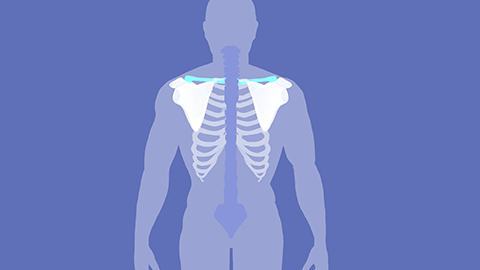
During the osteopenia stage, trabecular bone within the skeleton becomes thinner and bone toughness decreases—yet significant structural bone damage has not yet occurred. Middle-aged and older adults, particularly postmenopausal women, are at highest risk. Prolonged sedentary behavior, inadequate dietary calcium intake, and insufficient sun exposure all accelerate bone loss. Most individuals remain asymptomatic; some may experience mild low back or dorsal discomfort—a symptom often overlooked. Diagnosis typically relies on BMD measurement.
Lifestyle modification is the first-line approach for managing osteopenia. Daily intake of calcium and vitamin D should be increased, complemented by regular outdoor physical activity to stimulate bone maintenance. For individuals experiencing rapid bone loss, pharmacologic interventions may be indicated to halt progressive bone tissue deterioration. If left unmanaged, osteopenia may progress to osteoporosis, substantially increasing fracture risk.
Engage consistently in weight-bearing physical activities and maximize safe sun exposure to promote endogenous vitamin D synthesis. Include calcium-rich foods in all three daily meals, and eliminate smoking and excessive alcohol consumption to support healthy bone metabolism and minimize further bone loss.


