Can I take calcium supplements for knee pain?
Sep 05, 2026
Source: Cainiu Health

Dr. Chen Jian
Introduction
Knee pain should not be treated blindly with calcium supplements. Calcium tablets are only effective for discomfort caused by decreased bone mass; most knee pain stems from injuries to cartilage, synovial membranes, or ligaments—conditions that cannot be resolved by calcium supplementation. It is essential to identify the underlying cause before deciding whether calcium supplementation is appropriate. If knee pain recurs frequently or is accompanied by restricted mobility, prompt medical evaluation is necessary to determine the exact cause of the pain.
Knee pain should not be treated blindly with calcium supplements. Calcium tablets are only effective for discomfort caused by reduced bone mass; most knee pain stems from damage to cartilage, synovial membranes, or ligaments—conditions that cannot be resolved by calcium supplementation. It is essential to identify the underlying cause before deciding whether calcium supplementation is appropriate. If knee pain recurs frequently or limits mobility, prompt medical evaluation is necessary to determine the precise source of pain.
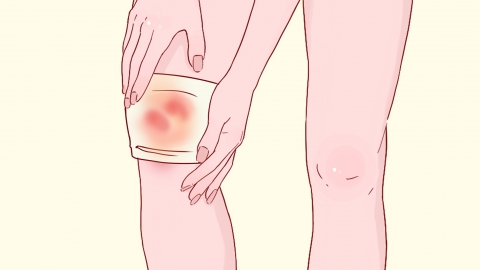
Many cases of knee pain arise from cartilage wear, synovitis, or ligament strain—pathologies unrelated to calcium deficiency. Taking calcium supplements indiscriminately neither repairs damaged cartilage nor alleviates synovial inflammation, and may instead impose additional metabolic burden on the body. Calcium supplementation may only serve as an adjunctive therapy for knee aches specifically attributable to decreased bone mass or osteoporosis.
Individuals diagnosed with low bone mass should take calcium supplements alongside vitamin D to enhance calcium absorption. For knee pain resulting from cartilage wear, initial management should prioritize rest, local heat application, and physical therapy. When pain is pronounced, symptom-targeted medications may be used to relieve discomfort, while minimizing weight-bearing stress on the knee joint to slow down joint degeneration.
In daily life, avoid activities that place excessive stress on the knees—such as frequent stair climbing, squatting, or kneeling. Engage in moderate quadriceps-strengthening exercises to reinforce the muscles surrounding the knee joint, thereby enhancing joint stability and reducing the frequency of knee pain episodes.