


What are the physical therapy methods for cervical spondylosis?

Cervical physical therapy methods include heat application, infrared irradiation, cervical traction, massage therapy, and ultrasound therapy. If persistent symptoms such as limb numbness, weakness, unsteady gait, or a “floating” sensation while walking occur, prompt medical evaluation and treatment at a hospital are recommended.
1. Heat Application Therapy: Applying controlled warmth to the neck and shoulder region dilates subcutaneous blood vessels locally and accelerates blood circulation. This helps relax tense and stiff neck muscles, alleviates muscle spasm–induced soreness and discomfort, and reduces various symptoms associated with soft-tissue overuse.
2. Infrared Irradiation: Infrared radiation delivers thermal energy that penetrates superficial soft tissues of the neck and shoulders, improving local microcirculation. It facilitates clearance of accumulated metabolic byproducts, eases tension in tightened neck musculature, and relieves inflammatory swelling and pain. Care must be taken to maintain an appropriate distance during irradiation to prevent thermal injury.
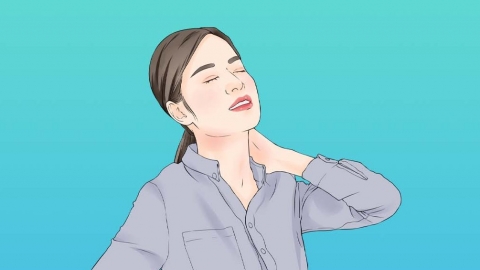
3. Cervical Traction: This technique applies controlled external force to gently stretch the cervical spine, thereby increasing intervertebral space and reducing pressure exerted by herniated or degenerated discs. It also helps realign vertebral positioning and relieve compression on spinal nerve roots. Traction intensity must be individually tailored according to the patient’s tolerance.
4. Massage Therapy (Manual Release): Using specialized manual techniques targeting neck and shoulder muscles, this method releases myofascial trigger points and areas of localized muscular tension. It restores normal muscle fiber alignment and improves restricted neck mobility. Excessive or forceful cervical rotation must be avoided during treatment to minimize risk of iatrogenic injury.
5. Ultrasound Therapy: Utilizing high-frequency mechanical vibrations, ultrasound energy penetrates deep into soft tissues to enhance local cellular metabolism. It reduces soft-tissue inflammation, alleviates neck and shoulder pain, and promotes recovery from muscle and fascial strain. Strict adherence to device-specific parameter settings is essential for safety and efficacy.
In daily life, avoid prolonged periods of forward head posture or static neck positioning. Choose a pillow of appropriate height for sleeping. Engage in gentle, regular neck and shoulder movement during leisure time. Maintain adequate neck warmth—especially against cold drafts—to reduce the likelihood of recurrent cervical discomfort.


