


What should I do for pain in both shoulders and neck stiffness?

Shoulder pain (on either or both sides) and neck stiffness can be managed through various approaches, including correcting daily postural habits, undergoing physical therapy, using medications for symptomatic relief, performing muscle relaxation and release techniques, and, in severe cases, surgical intervention. If persistent numbness or weakness in the arms, frequent dizziness, or vomiting occur, prompt medical evaluation and treatment at a hospital are strongly recommended.
1. Correcting Daily Postural Habits: Address poor posture such as forward head position, rounded shoulders, and shoulder elevation or lateral head tilt. Reduce prolonged desk work and extended screen time. Take regular breaks to stand up and change body positions, preventing sustained tension in the neck and shoulder muscles and minimizing localized mechanical stress.
2. Physical Therapy: Apply heat therapy or infrared irradiation to the painful neck and shoulder regions to dilate subcutaneous blood vessels, enhance local blood circulation, accelerate clearance of accumulated inflammatory mediators, relieve muscle fiber spasm and tension, and alleviate soreness and discomfort in the neck and shoulders.
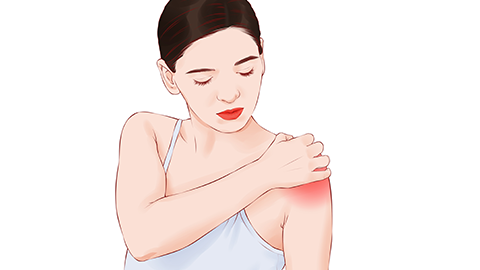
3. Pharmacological Symptomatic Management: When pain and soreness are prominent, oral or topical analgesic and anti-inflammatory medications may be used to reduce soft-tissue inflammation and improve overall comfort. During medication use, monitor gastrointestinal symptoms and skin reactions, and strictly adhere to prescribed dosages.
4. Muscle Relaxation and Release Techniques: Use massage and stretching to target stiffened muscle groups, releasing myofascial trigger points and tension. Align muscle fibers properly to increase range of motion in the neck and shoulders. Apply appropriate pressure during manual techniques—avoid excessive force that could cause additional soft-tissue injury.
5. Surgical Intervention: Surgery is considered when cervical spine structural abnormalities are severe, conservative treatments have yielded limited improvement, and symptoms significantly impair daily functioning. The goal is to decompress affected neural structures, repair pathological anatomical changes, and restore normal physiological function in the cervical and shoulder regions.
During leisure time, regularly perform gentle neck and shoulder stretching exercises. Choose a pillow with appropriate height for sleeping. Protect the neck and shoulders from cold exposure—avoid direct drafts—and refrain from carrying heavy loads on one shoulder alone. These measures help minimize recurrent triggers of neck and shoulder discomfort.


