


Will a hairline fracture of the left ankle result in any long-term complications?

After standardized treatment and proper rest for a left ankle bone crack (a hairline fracture), most individuals recover fully without any long-term complications. However, a small number of patients who receive inadequate care or resume weight-bearing too early may experience recurrent swelling, pain, and discomfort during movement. As a mild form of fracture, bone cracks generally carry a favorable prognosis overall. Persistent soreness, swelling, or stiffness in the ankle warrants prompt medical evaluation to assess recovery progress.
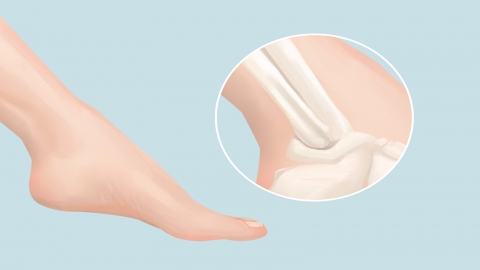
An ankle bone crack involves only a partial disruption of the cortical bone, with the overall skeletal structure remaining intact and no displacement or joint dislocation—making it a relatively minor musculoskeletal injury. Clinically, treatment typically involves local immobilization and external fixation to protect the affected area, combined with bed rest to facilitate callus formation. Strict adherence to the prescribed rehabilitation timeline and consistent daily precautions enable complete bony healing, preserving normal ankle flexion, extension, and ambulatory function.
Resuming weight-bearing activities or engaging in vigorous exercise prematurely during recovery may delay bone healing and cause repeated soft-tissue strain, leading to chronic overuse injury of the ankle joint. Some individuals may also develop reduced joint stability, resulting in frequent post-exertional soreness and fatigue. Consistent, appropriately dosed rehabilitation exercises during the later stages of healing—particularly those targeting the muscles surrounding the ankle—can enhance joint stability and help prevent residual complications.
In daily life, gradually progress through range-of-motion and controlled weight-bearing exercises to strengthen local musculature. Maintain adequate warmth and protection for the ankle, avoid repetitive high-impact running, and support joint integrity to preserve normal ankle mobility and function.


