


What Are the Treatment Options for Arthritis?

Arthritis can be managed through various approaches, including modifying daily activities, undergoing physical therapy, using medications for symptomatic relief, administering localized intra-articular treatments, and, when necessary, surgical intervention. If you experience severe joint swelling and deformity or complete loss of limb mobility, seek prompt medical evaluation and treatment at a hospital.
1. Modifying Daily Activities: Reduce weight-bearing stress on affected joints by minimizing prolonged walking, stair climbing, and squatting while carrying heavy loads. Choose well-cushioned footwear and distribute daily physical activity appropriately to prevent continuous joint friction and slow down joint tissue degeneration.
2. Physical Therapy: Apply heat therapy or infrared irradiation to the affected joint to enhance local blood circulation, promote clearance of inflammatory metabolic byproducts accumulated around the joint, relax surrounding tense muscles, and alleviate joint swelling, pain, and stiffness.
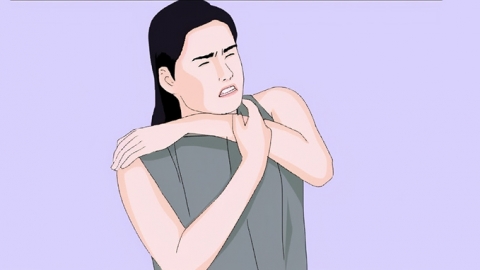
3. Pharmacological Symptomatic Management: When joint pain and swelling are prominent, oral or topical anti-inflammatory and analgesic medications may be used. These agents suppress intra-articular inflammation and relieve systemic discomfort; however, monitor for potential gastrointestinal or cutaneous side effects during treatment.
4. Intra-Articular Interventions: When conservative measures yield limited improvement and recurrent joint effusion or inflammation persists, intra-articular drug administration may be considered. This helps reduce synovial inflammation, improve joint lubrication, alleviate movement-related pain, and must be accompanied by continued management of joint loading.
5. Surgical Intervention: Surgery is indicated when severe cartilage wear and marked joint deformity significantly impair quality of life despite comprehensive conservative management. Procedures aim to reconstruct damaged joint structures, correct abnormal joint alignment, reduce pain, and restore baseline joint function.
Maintain a balanced diet rich in nutrients essential for bone health. During cold weather, ensure adequate joint warmth and avoid exposure to cold drafts. Engage in appropriate physical activity according to your individual physical condition to reduce the frequency of arthritis flare-ups.


