


How to Care for Patients with High-Level Paraplegia

High-level spinal cord injury nursing encompasses skin protection, respiratory care, urinary and bowel management, limb rehabilitation, and psychological support. If symptoms such as extensive skin breakdown with infection, persistent high fever, or difficulty expectorating phlegm occur, prompt medical evaluation and treatment at a hospital are strongly recommended.
1. Skin Protection: Assist the patient in regularly changing positions to minimize prolonged pressure on localized tissues. Keep bed linens smooth and dry; clean sweat and excretions from the skin surface; inspect pressure-prone areas—such as the sacrum, coccyx, and heels—to reduce the risk of pressure injuries (bedsores).
2. Respiratory Care: Assist with regular turning and back percussion to facilitate airway clearance and promote effective expectoration. Ensure adequate indoor ventilation and maintain optimal humidity levels. Encourage breathing exercises to prevent mucus stasis and reduce the likelihood of pulmonary infections.
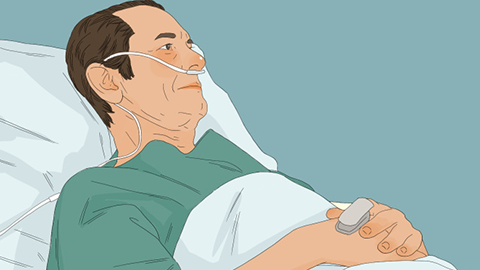
3. Urinary and Bowel Management: Provide comprehensive care related to urination and defecation, maintaining cleanliness of the perineal area. Accurately document voiding and bowel movement patterns to support regular elimination habits. Perform proper catheter care to prevent urinary tract infections.
4. Limb Rehabilitation: Perform passive range-of-motion (ROM) exercises for limbs lacking voluntary movement to preserve joint mobility. Gently stretch stiff muscles and position limbs in functional, anatomically appropriate postures to prevent complications such as joint contractures and muscle atrophy.
5. Psychological Support: Closely monitor emotional changes and validate the patient’s negative feelings. Guide the patient in adapting to physical changes, foster a comfortable and supportive living environment, alleviate persistent low mood, and enhance cooperation with all aspects of care.
In daily life, ensure adequate nutritional intake—especially protein- and vitamin-rich foods. Maintain a quiet, clean, and well-organized living environment. Carefully observe any bodily changes and promptly address early signs of abnormalities to minimize complications and associated harm.


