


What are the nursing interventions for joint contractures?

Nursing interventions for joint contractures include proper limb positioning, performing passive joint range-of-motion (ROM) exercises, applying physical thermal therapy, using orthotic devices for sustained positioning, and implementing appropriate skin protection measures. If symptoms such as localized joint redness, swelling, ulceration, or sudden severe limb pain occur, prompt medical evaluation and treatment at a hospital are recommended.
1. Proper Limb Positioning: During bed rest, position limbs in functional positions to prevent prolonged joint flexion or twisting. Regularly adjust limb angles to avoid sustained shortening of tendons and ligaments, thereby minimizing structural changes caused by chronic soft-tissue tension.
2. Passive Joint Range-of-Motion Exercises: Perform slow, controlled flexion, extension, and rotation movements on affected joints in sequence, staying within the patient’s tolerance limits. Movements should be smooth and gentle—never forceful. Consistent daily practice helps slow the progression of soft-tissue adhesions.
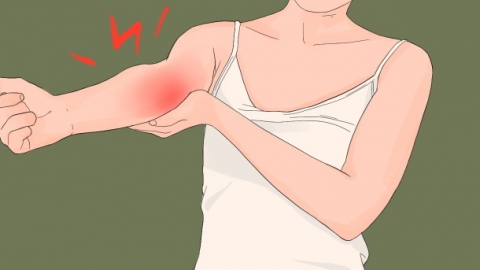
3. Physical Thermal Therapy: Apply heat packs or infrared irradiation to the soft tissues surrounding contracted joints. This elevates local tissue temperature, relaxes taut and shortened tendons and ligaments, improves local blood circulation, and creates favorable conditions for subsequent joint mobility exercises.
4. Orthotic Device Application for Sustained Positioning: Select appropriately fitted orthoses based on the degree and pattern of joint deformity to maintain the joint in an optimal extended position. Monitor wear duration and assess peripheral circulation (e.g., capillary refill, skin color, temperature). Continuous low-load stretching via orthoses helps prevent progressive worsening of contracture.
5. Skin Protection Measures: Keep skin areas in contact with orthoses clean and dry; regularly inspect pressure-prone regions. Promptly relieve localized pressure and prevent friction-related injury. If skin abnormalities arise (e.g., erythema, breakdown), promptly revise the care plan to minimize risks of skin complications.
In daily life, incorporate small amounts of active exercise according to individual physical capacity and ensure adequate nutritional intake. Monitor changes in joint ROM closely; avoid aggressive or forced stretching. Combine all therapeutic interventions consistently to slow further progression of joint contracture.


