


What Are the Key Points to Consider When Managing Joint Pain?

When experiencing joint pain, management should focus on controlling joint load intensity, applying appropriate local physical interventions, selecting medications rationally, identifying underlying causes of the pain, and monitoring disease progression.
If sudden redness, swelling, warmth in the joint, or complete inability to bear weight on the affected limb occurs, prompt medical evaluation and treatment at a hospital are strongly recommended.
1. Control joint loading intensity: During acute pain episodes, avoid activities that increase joint stress—such as running, jumping, climbing stairs, squatting, or kneeling. Balance activity with rest to prevent continuous, repetitive friction within the affected joint, thereby minimizing further mechanical damage to cartilage and synovium.
2. Apply appropriate local physical therapy: Choose either cold or heat application based on the nature of the pain. Cold therapy is typically preferred during the acute phase (characterized by swelling and sharp pain) to reduce inflammation and vasocongestion; heat therapy is more suitable for chronic, dull, or achy discomfort to improve local circulation. Always monitor duration of application to prevent skin injury.
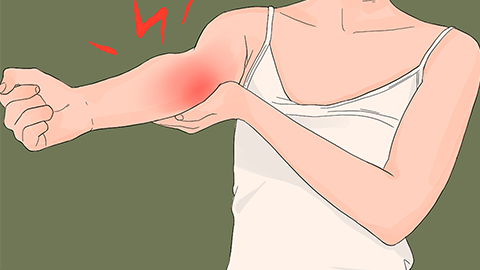
3. Select medications rationally: When pain and swelling are prominent, consider topical or oral anti-inflammatory and analgesic agents. Adjust dosage according to individual health status, monitor for gastrointestinal or dermatological side effects, and avoid prolonged, uninterrupted use of the same class of medication.
4. Identify potential triggers of pain: Analyze associations between pain onset and factors such as physical activity, exposure to cold, or trauma. Differentiate symptoms arising from overuse injuries, degenerative changes, or inflammatory conditions. Avoid blind application of massage or stretching techniques; instead, identify the root cause to guide targeted, effective interventions.
5. Monitor disease progression: Keep track of pain frequency, duration, and changes in joint mobility. If symptoms progressively worsen or fail to improve with rest, reassess and adjust current management strategies—do not persist with ineffective approaches.
In daily life, maintain a balanced diet rich in nutrients essential for bone and joint health. Protect joints from cold exposure according to seasonal changes. Prior to exercise, perform adequate warm-up routines, control exercise intensity, and minimize repetitive impact or twisting forces on joints to reduce the likelihood of recurrent pain episodes.


