


What Should You Do for a Finger Joint Dislocation?

Joint dislocation of the fingers can be managed through emergency immobilization and protection, local cold compression to reduce swelling, professional manual reduction, immobilization and rest for protection, and rehabilitative functional exercises. If symptoms such as persistent finger joint deformity, numbness, pallor, or coldness of the fingertip occur, prompt medical evaluation and treatment at a hospital are recommended.
1. Emergency Immobilization and Protection: Immediately cease all finger movements—including flexion, extension, and gripping—after dislocation occurs, and maintain the hand in a stable, neutral position. Avoid forcibly manipulating or pulling the injured finger to prevent secondary tearing injuries to ligaments and surrounding soft tissues.
2. Local Cold Compression to Reduce Swelling: Apply cold compresses to the skin surrounding the dislocated joint during the early phase following injury. This constricts local capillaries, reduces subcutaneous bleeding, inhibits rapid soft-tissue swelling, and alleviates distension-related pain at the joint—thereby creating optimal conditions for subsequent reduction.
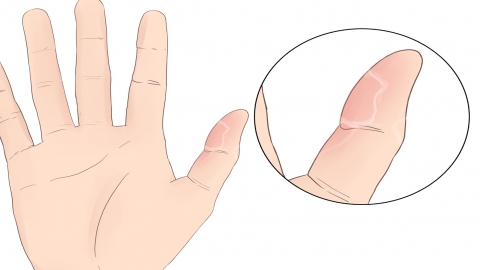
3. Professional Manual Reduction: A qualified healthcare provider performs gentle, directional manipulation to reposition the displaced joint bones according to the specific direction of dislocation. This restores the anatomical alignment and fundamental joint congruency. The entire procedure is conducted with utmost gentleness to avoid injury to bone or vasculature.
4. Immobilization and Protective Rest: Following successful reduction, the affected finger joint is stabilized using splints or bandages to maintain joint stability. This restricts active finger movement, allowing injured ligaments and the joint capsule time to heal progressively, thereby minimizing risks of joint instability and recurrent dislocation.
5. Rehabilitative Functional Exercises: After the immobilization period ends, gradually initiate gentle finger flexion-extension and grasping-stretching exercises. Progressively restore joint mobility and muscular strength, alleviate joint stiffness, and regain normal finger function.
In daily activities, protect the hands and avoid sudden twisting or excessive force on the fingers. During recovery, control the intensity of hand use, adhere to progressive exercise regimens, regularly monitor joint status, and reinforce joint integrity to prevent recurrent dislocations.


