


Can Hepatitis C Be Cured?

Hepatitis C can achieve clinical cure and has one of the highest cure rates among viral hepatitis types. Novel antiviral medications effectively eliminate the hepatitis C virus (HCV) from the body and halt ongoing liver damage. Early intervention leads to better prognosis; delaying treatment may result in cirrhosis or hepatic fibrosis. Persistent fatigue and abnormal liver function tests warrant prompt medical consultation and standardized treatment.
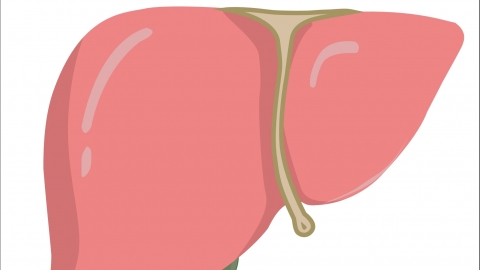
Hepatitis C is a liver disease caused by chronic infection with the hepatitis C virus (HCV). Persistent viral invasion of hepatocytes leads to chronic liver injury, which—over time—may progressively develop into hepatic fibrosis and cirrhosis. In its early stages, hepatitis C is often asymptomatic and highly insidious, frequently detected only during routine health screenings. Transmission occurs primarily via blood exposure; casual daily contact does not pose a risk of viral transmission.
The current standard clinical treatment involves oral direct-acting antiviral (DAA) medications. When administered appropriately and for the full recommended duration, these drugs can eradicate the virus and restore normal liver function. During treatment, regular monitoring of liver function tests and quantitative HCV RNA levels is essential to guide timely adjustments to the therapeutic regimen based on individual clinical response. For most patients completing the full course of therapy, sustained virologic response (SVR)—defined as long-term undetectable HCV RNA—is achieved, signifying clinical cure and eliminating the risk of further liver disease progression.
Maintain regular sleep-wake cycles and a light, balanced diet; avoid alcohol and tobacco to reduce metabolic burden on the liver. Engage in moderate physical activity consistently to support overall physiological stability, and undergo periodic liver health screenings to safeguard long-term hepatic well-being.


