


What Are the Symptoms of Hepatitis C?

Hepatitis C symptoms include persistent fatigue, impaired digestion, discomfort in the liver region, jaundice (yellowing of the skin and sclera), and lower-limb edema or ascites. If you experience persistent hematemesis (vomiting blood) or melena (black, tarry stools), or develop confusion or altered mental status, seek immediate medical attention.
1. Persistent Fatigue: After viral invasion of the liver, normal metabolic processes are disrupted, leading to chronic exhaustion. This fatigue often fails to improve significantly with rest or sleep, resulting in reduced stamina for daily activities and a sustained decline in physical and mental well-being—commonly observed in early-stage disease.
2. Digestive Dysfunction: Impaired bile secretion by the liver leads to decreased appetite and abdominal distension or discomfort. Symptoms typically worsen after consuming fatty foods; some individuals may also experience nausea. Prolonged inadequate nutrient intake can cause gradual weight loss.
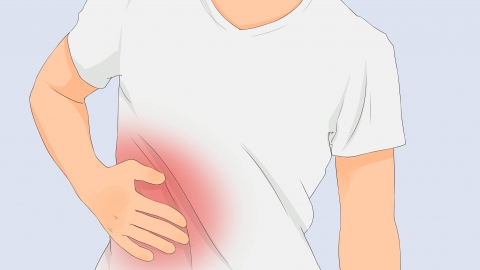
3. Discomfort in the Liver Region: Inflammatory changes in the liver stretch the hepatic capsule, causing dull pain or a sensation of fullness or pressure in the right upper abdomen. Pain is usually mild but tends to intensify with physical exertion and partially alleviates with rest.
4. Jaundice (Yellowing of Skin and Sclera): Reduced hepatic capacity to process bilirubin results in its systemic accumulation. Gradually, the whites of the eyes and skin become yellowish; urine darkens to a tea-like color, while stools become pale—indicating progressive liver injury.
5. Lower-Limb Edema and Ascites: As the disease advances to cirrhosis, the liver’s ability to synthesize proteins declines. Fluid accumulates in the peritoneal cavity (ascites), and pitting edema develops in the lower limbs. The abdomen progressively distends, reflecting irreversible structural damage to liver tissue and an increased risk of complications.
In daily life, maintain a light, balanced diet and strictly avoid all forms of alcoholic beverages. Appropriately balance rest and physical activity, avoid self-medicating with substances known to harm the liver, and undergo regular liver-related health screenings to monitor key physiological indicators.


