


Can cirrhosis be cured?

Currently, cirrhosis cannot be completely reversed or cured; established hepatic fibrosis and structural damage to the liver are irreversible. Clinical management focuses on controlling the underlying cause, slowing disease progression, and preserving residual liver function to maintain overall bodily stability. Prompt medical evaluation and standardized treatment are essential if symptoms such as fatigue, jaundice, ascites, or abdominal distension develop.
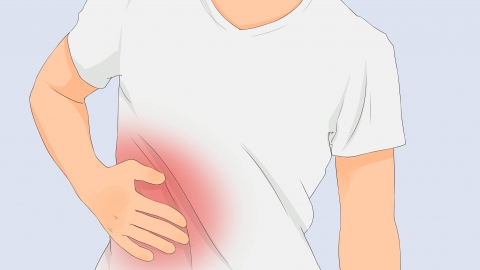
Cirrhosis represents the end-stage of various chronic liver diseases. Persistent hepatocyte injury—caused by factors such as viral infection, long-term alcohol consumption, or metabolic disorders—leads to progressive hepatic fibrosis and disruption of the normal lobular architecture. As liver stiffness increases progressively, metabolic, detoxification, and synthetic functions gradually decline. The disease advances slowly over time and may ultimately trigger multiple serious complications.
In clinical practice, the primary etiology is first identified, followed by targeted interventions—including antiviral therapy, alcohol abstinence, and metabolic regulation—to halt ongoing liver injury. Adjunctive treatments—such as hepatoprotective agents, diuretics, and antifibrotic therapies—are employed to support liver function and prevent complications including ascites, variceal bleeding, and infections. Early, standardized intervention can achieve long-term disease stabilization and sustain a normal quality of life.
Maintain a light, low-fat diet; strictly abstain from alcohol; adhere to regular sleep-wake cycles and avoid physical overexertion. Cultivate emotional stability and engage in moderate physical activity to reduce the liver’s metabolic burden and sustain long-term hepatic functional stability.


