


What Are the Common Diseases in Dentistry?

Oral and maxillofacial diseases encompass a wide range of conditions, commonly including dental hard-tissue disorders, periodontal diseases, oral mucosal diseases, maxillofacial infections, and temporomandibular joint (TMJ) disorders. These conditions may manifest with various symptoms such as pain and difficulty eating. If persistent oral bleeding or rapid facial swelling occurs, prompt medical evaluation and treatment at a hospital are strongly recommended.
1. Dental Hard-Tissue Disorders: These conditions are often associated with bacterial erosion, trauma (e.g., impact injuries), or chronic wear. Clinical signs include tooth surface defects and carious cavities; sensitivity to hot or cold stimuli is common. As the disease progresses, the dental pulp may become involved, leading to spontaneous pain, structural compromise of the tooth, and impaired masticatory function.
2. Periodontal Diseases: These affect the supporting structures of teeth—including the gingiva and alveolar bone—resulting in gingival redness, swelling, and bleeding. Alveolar bone resorption may occur, gradually causing tooth mobility and displacement. Food debris tends to accumulate interdentally after meals, accelerating disease progression; in advanced stages, teeth may be lost entirely.
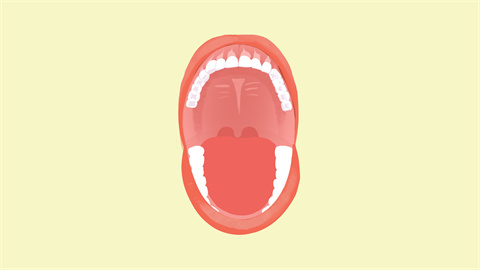
3. Oral Mucosal Diseases: The buccal mucosa, tongue, and lips may all be affected. Lesions may present as ulcers, plaques, or vesicles on the mucosal surface, accompanied by local burning pain that intensifies during speech and eating. Some types have prolonged recovery periods, and recurrent episodes can significantly impair daily dietary intake and verbal communication.
4. Maxillofacial Infections: Often originating from dental foci, these infections trigger inflammatory responses in the soft tissues of the maxillofacial region, causing localized swelling and pain. Regional lymphadenopathy may develop, and systemic symptoms such as fever may occur. As inflammation spreads, masticatory muscles and related structures may become involved, restricting mouth opening and substantially interfering with daily activities.
5. Temporomandibular Joint (TMJ) Disorders: These affect the temporomandibular joint region. Patients may experience joint clicking or crepitus during mouth opening or closing, tenderness anterior to the ear, limited mouth opening, and abnormal occlusion. Chronic consumption of hard foods or maladaptive chewing habits can exacerbate symptoms; progressive disease may ultimately impair masticatory efficiency.
Routine oral hygiene maintenance—including proper brushing and flossing—balanced nutrition, reduced intake of hard or irritating foods, regular dental check-ups, and timely removal of plaque and food debris help minimize the risk of developing oral diseases.


