


What Is Oral Squamous Cell Carcinoma?

Oral squamous cell carcinoma (OSCC) is a malignant tumor arising from the malignant transformation of squamous epithelial cells in the oral mucosa. It is one of the most common malignancies affecting the oral and maxillofacial region, frequently occurring on the tongue, gingiva, and buccal mucosa. As the disease progresses, it destroys oral tissues and invades adjacent structures. Persistent, non-healing ulcers or mucosal hyperplasia in the oral cavity warrant prompt medical evaluation and screening.
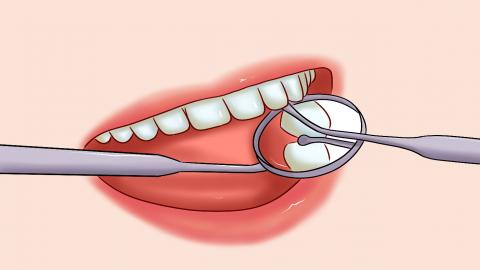
OSCC commonly results from chronic irritation caused by tobacco and alcohol use, poor oral hygiene, and repeated mechanical trauma to the mucosa from residual roots or broken crowns. Sustained mucosal injury leads to cellular mutations and the development of abnormal proliferative lesions. Early manifestations often include persistent oral ulcers, leukoplakia, or localized masses, accompanied by ulceration with bleeding, oral numbness, or trismus. These symptoms are easily mistaken for common oral inflammatory conditions, potentially delaying diagnosis and treatment.
In clinical practice, management of OSCC is tailored according to tumor stage. Early-stage lesions are primarily treated with local surgical excision to remove the affected tissue. For intermediate- to advanced-stage disease, multimodal therapeutic strategies—including surgery, radiation therapy, chemotherapy, and/or targeted therapy—are employed to control disease progression and inhibit tumor cell proliferation and metastasis. Regular oral cancer screening facilitates early detection and significantly improves treatment outcomes and post-intervention recovery.
Maintaining good oral hygiene, eliminating tobacco and alcohol use, and promptly addressing dental abnormalities (e.g., residual roots or fractured teeth) are essential preventive measures. Adopting a mild, balanced diet helps minimize recurrent mucosal injury and supports overall oral tissue health.


