


What are the symptoms of oral herpes?

Oral herpes symptoms include oral mucosal vesicles, localized ulceration and pain, oral redness and swelling with congestion, systemic fever and malaise, and difficulty eating or swallowing. If persistent high fever or widespread dissemination of oral herpes lesions occurs, prompt medical evaluation and treatment at a hospital are recommended.
1. Oral mucosal vesicles: After viral invasion of the oral mucosa, numerous small, clustered vesicles appear on the lips, tongue, and buccal mucosa. These vesicles are taut and relatively concentrated in distribution; initially intact without obvious rupture, they rapidly coalesce into confluent patches—characteristic of the early disease stage.
2. Localized ulceration and pain: As vesicles mature, they spontaneously rupture, forming superficial erosions. These lesions cause persistent burning pain, which intensifies upon contact with food or saliva. Healing is typically slow, and inadequate care may predispose to secondary local inflammation.
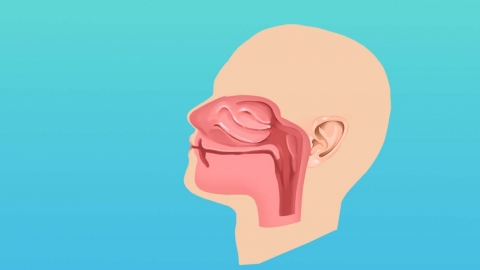
3. Oral redness, swelling, and congestion: Mucosa surrounding the herpetic lesions becomes congested and swollen, appearing markedly reddened. Sensitivity of intraoral soft tissues increases, and the mucosa overall becomes dry and fragile; even minor stimuli exacerbate local discomfort, impairing normal oral function.
4. Systemic fever and malaise: Viral replication and dissemination within the body trigger low-grade or moderate fever. Some individuals also experience fatigue, lethargy, and reduced appetite, resulting in an overall decline in physical well-being; fever duration fluctuates with disease progression.
5. Difficulty eating and swallowing: Pain from multiple oral lesions leads patients to consciously minimize chewing and swallowing movements. Consumption of liquid or semi-liquid foods elicits sharp pain, significantly reducing food intake; prolonged insufficient nutrition compromises normal bodily nutritional support.
Maintain good oral hygiene and freshness; drink warm water regularly and choose bland, soft, and easily digestible foods. Ensure adequate rest and maintain regular sleep patterns to enhance immune resistance. Avoid sources of cross-infection to facilitate rapid recovery of healthy oral mucosa.


