


Does the quality of dental implants affect the body?

The quality and fit of dental implants directly impact both oral and systemic health. Substandard implants are prone to causing oral inflammation and occlusal abnormalities, whereas high-quality implants can stably restore oral function. Differences in material composition, manufacturing precision, and fit significantly affect long-term performance. If an implant becomes loose, causes swelling or pain, or leads to occlusal disturbances, prompt medical evaluation and treatment are essential.
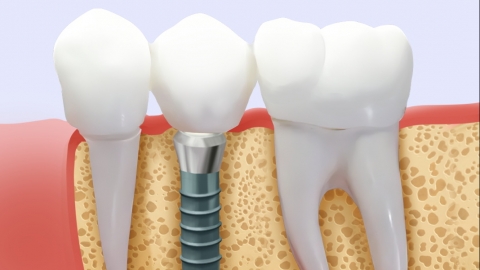
A high-quality, certified dental implant exhibits excellent biocompatibility with human tissues, enabling stable osseointegration within the alveolar bone and uniform distribution of masticatory forces—thereby preserving normal occlusion. It effectively restores chewing function and provides structural support for facial soft tissues, protects adjacent teeth and periodontal structures, harmonizes with the natural oral physiological environment, causes no systemic discomfort, and maintains stable long-term fit.
Low-quality implants often suffer from insufficient material purity and poor manufacturing accuracy, increasing the risk of foreign-body reactions in the oral cavity—leading to gingival redness and swelling, alveolar bone resorption, and implant loosening. Occlusal imbalance further overloads the temporomandibular joint (TMJ), potentially resulting in increased masticatory effort and chronic TMJ pain over time. Should peri-implant disease develop, timely adjustment or replacement is necessary to prevent progressive oral complications.
Maintain daily oral hygiene by thoroughly cleaning around the implant, especially within interproximal and subgingival spaces. Adopt gentle chewing habits and follow a balanced diet rich in nutrients essential for bone health to ensure long-term stability and integration of the implant.


