


Can teenagers have their wisdom teeth extracted?

Wisdom teeth in adolescents can be extracted. In most cases, wisdom teeth that erupt during adolescence are malpositioned or lack sufficient space for proper eruption; timely extraction helps prevent various oral health problems. Wisdom teeth that erupt in correct alignment and establish normal occlusion may be retained under observation. However, if a wisdom tooth repeatedly becomes inflamed or causes pain by impinging on adjacent teeth, prompt medical evaluation and possible extraction are recommended.
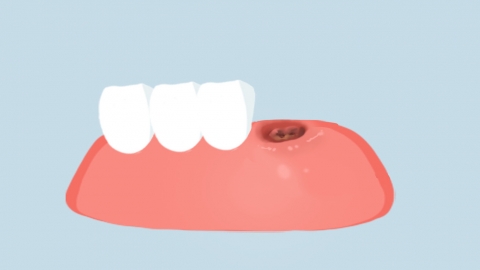
During adolescence, the jawbone gradually matures and stabilizes; however, in most individuals, the available jaw space is insufficient to accommodate all four wisdom teeth. This often leads to tilted, impacted, or partially erupted wisdom teeth. Such teeth may exert pressure on neighboring tooth roots, resulting in dental crowding, food impaction between teeth, and recurrent pericoronitis (inflammation around the crown of a partially erupted tooth). Early extraction helps protect adjacent teeth, maintain proper dental alignment, and reduce the risk of future oral diseases.
A small proportion of adolescents develop vertically erupted wisdom teeth with favorable occlusion and adequate accessibility for daily cleaning—these teeth remain asymptomatic and free from inflammation, and thus may be retained long-term. When pericoronitis occurs due to wisdom tooth eruption, initial management includes local irrigation and anti-inflammatory treatment to resolve the inflammation before proceeding with extraction. Adolescents generally have more elastic bone tissue, enabling faster wound healing and shorter postoperative recovery periods following early extraction.
Maintain meticulous oral hygiene, paying special attention to cleaning the posterior teeth. Adopt regular dietary and sleep habits to support healthy oral mucosa and periodontal tissues, thereby promoting optimal development of oral structures.


