


What Are the Daily Care Methods for Sunburn?

Everyday sunburn care includes avoiding further sun exposure, applying local cooling to soothe the skin, hydrating and moisturizing the skin, wearing protective clothing to create a physical barrier, and adjusting diet and sleep habits—aiming to alleviate symptoms such as skin heat and redness, repair damaged epidermal tissue, and reduce subsequent discomfort. If large blisters, severe pain, or skin ulceration occur, seek prompt medical attention at a hospital.
1. Avoid further sun exposure: Immediately move to a cool, shaded area to prevent additional UV radiation from reaching the damaged skin. Limit outdoor activities, especially during peak sunlight hours (typically 10 a.m.–4 p.m.), to avoid prolonged UV exposure and prevent worsening of the sunburn.
2. Local cooling and soothing: Gently rinse or apply cool (not cold) compresses using lukewarm water to the affected areas to dissipate excess surface heat. Avoid extreme temperatures to minimize thermal shock; this helps relieve the burning sensation and calm dilated subcutaneous capillaries.
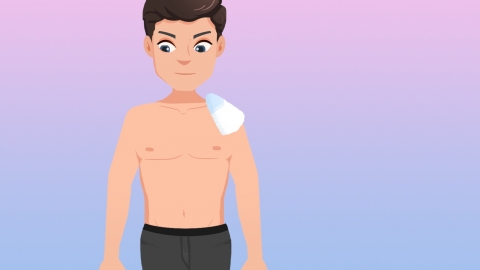
3. Skin hydration and moisturization: Apply lightweight, non-irritating moisturizers to the affected areas to replenish lost epidermal moisture. This supports restoration of the skin barrier, alleviates dryness and tightness, minimizes peeling, and promotes gradual epidermal recovery.
4. Protective clothing: Wear loose-fitting, breathable cotton garments over sunburned areas to minimize fabric friction. Clothing acts as a physical barrier against light and external irritation, reduces stinging sensations, and allows the skin time to heal.
5. Dietary and lifestyle adjustments: Increase intake of warm water and consume fruits and vegetables rich in vitamins. Ensure adequate, high-quality sleep to stabilize metabolic function and enhance the skin’s natural repair capacity. Reduce consumption of spicy foods to help lower systemic inflammatory responses.
During recovery, avoid scratching or peeling skin, and refrain from using harsh or irritating cleansers and skincare products. When outdoors, continue using sun protection (e.g., hats, umbrellas, UV-blocking clothing), monitor skin changes closely, and take preventive measures to minimize post-inflammatory hyperpigmentation.


