


What Is a Third-Degree Burn?

Third-degree burns are deep skin injuries that extend through the entire thickness of the skin, involving deeper tissues such as subcutaneous fat and fascia, resulting in complete destruction of the skin’s native architecture. The wound is insensate (lacking pain sensation) and firm in texture, making healing particularly challenging. Prompt medical attention is essential for extensive burns or wounds complicated by secondary infection.
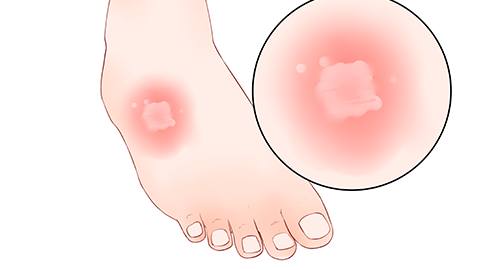
Third-degree burns cause complete destruction of both the epidermis and the full thickness of the dermis; local nerve endings are entirely obliterated, leading to loss of pain and tactile sensation in the affected area. The wound typically appears charred yellow, black, or waxy white, with dry, leathery, hardened skin and formation of a thick eschar. Skin’s intrinsic regenerative capacity is completely lost, precluding spontaneous healing—this stands in stark contrast to superficial burns, which heal spontaneously.
In clinical practice, management of third-degree burns involves debridement of necrotic tissue and removal of the eschar. Small wounds may heal via contraction and re-epithelialization facilitated by regular wound dressing changes; however, large wounds require surgical intervention—specifically, skin grafting—to cover the defect. Concurrently, supportive therapies—including antimicrobial treatment, fluid resuscitation, and nutritional support—are critical to maintaining physiological homeostasis and preventing post-burn complications.
During recovery, keep the wound clean and dry, and maintain a light, nutritionally balanced diet. Adhere to standardized wound care protocols and incorporate appropriate limb exercises to minimize scar contracture and tissue stiffness, thereby facilitating optimal wound repair and functional recovery.


