


What Causes Severe Hair Loss?

Severe hair loss can be triggered by multiple factors, including endocrine fluctuations, nutritional imbalances, psychological and emotional stressors, localized scalp disorders, and genetic predispositions. These factors collectively disrupt the normal metabolic cycle of hair follicles, leading to excessive shedding. If you experience persistent scalp pain or sudden, widespread hair loss, it is advisable to seek prompt medical evaluation and treatment.
1. Endocrine Fluctuations: Changes in hormonal levels directly affect the hair follicle growth cycle. Hormonal imbalances may cause a large number of follicles to prematurely enter the telogen (resting) phase, resulting in finer, softer hair and increased shedding. Such fluctuations commonly occur during various physiological or pathological conditions.
2. Nutritional Imbalance: Deficiencies in protein, trace elements, and vitamins deprive hair follicles of essential nutrients. Without adequate raw materials, hair growth is compromised, hair roots become less secure, and shedding increases. Restrictive dieting or selective eating habits often precipitate this type of hair loss.
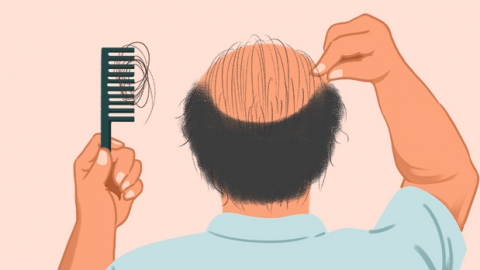
3. Psychological and Emotional Factors: Chronic stress overload, frequent anxiety, and disrupted sleep patterns interfere with the body’s nervous regulation. This impairs scalp blood circulation and disturbs the natural rhythm of follicular growth—potentially triggering rapid, diffuse hair shedding within a short timeframe.
4. Localized Scalp Disorders: Inflammation or fungal infection of the scalp can damage the structural integrity of hair follicles. Accompanying symptoms such as itching and increased dandruff indicate follicular injury; impaired follicle function hinders hair regrowth, and progressive deterioration exacerbates hair loss.
5. Genetic Factors: Hereditary traits influence follicular sensitivity to internal biochemical signals. In genetically predisposed individuals, certain follicles gradually miniaturize, producing progressively finer hairs, and shedding intensifies over time. This pattern of hair loss often clusters within families and progresses steadily with age.
To help slow the progression of hair loss: maintain a balanced, nutrient-rich diet across all three daily meals; minimize frequent hair perming, dyeing, or chemical treatments; ensure sufficient, high-quality sleep; manage emotional well-being; and regularly monitor changes in scalp condition and hair texture.


