


What should I do about keloids?

Keloids can be improved through daily preventive care, pressure therapy, topical medications, intralesional injections, and surgical correction. These approaches help suppress abnormal scar tissue proliferation, soften raised lesions, and fade abnormal skin discoloration or textural changes. If a keloid continues to enlarge or is accompanied by recurrent itching, pain, or other symptoms, prompt medical evaluation and treatment are recommended.
1. Daily Preventive Care: Avoid friction, sun exposure, and physical trauma (e.g., bumps or scratches) to the affected area to minimize inflammatory stimulation of the skin. Keep the lesion site clean and hygienic to maintain skin stability, thereby inhibiting ongoing fibrous tissue proliferation and preventing progressive enlargement of the keloid.
2. Pressure Therapy: Apply consistent, controlled pressure to the affected skin to restrict excessive growth of subcutaneous fibrous tissue. This gradually softens hardened scar tissue and flattens the elevated skin surface; long-term adherence helps slow the rate of keloid progression.
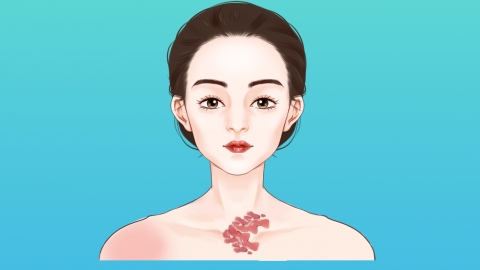
3. Topical Medications: Regularly apply approved topical agents to the lesion to moisturize and soothe scarred skin and loosen proliferating fibrous tissue. This progressively softens raised keloid tissue and improves skin roughness, making it suitable for mild cases and the recovery phase.
4. Intralesional Injections: For prominently raised keloids, inject appropriate pharmaceutical agents directly into the lesion to inhibit fibrous tissue proliferation. This helps flatten the raised area, alleviate localized induration and pruritus, and gradually correct the skin’s elevated, deformed appearance.
5. Surgical Correction: For large or recalcitrant keloids, surgical excision may be performed to remove excess proliferative tissue. This restores a more natural contour to the skin surface; postoperative care—including adjunctive therapies—is essential to consolidate healing and reduce the risk of recurrent abnormal scarring.
Maintain a light, balanced diet in daily life, limit intake of spicy or irritating foods, stabilize metabolic function, and consistently protect the scarred skin. Adherence to comprehensive preventive and therapeutic measures helps lower the likelihood of keloid recurrence or re-proliferation.


