


What Is Psoriasis?

Psoriasis is a common chronic inflammatory skin disorder associated with immune dysregulation, genetic predisposition, and environmental triggers. It is characterized by a prolonged course and frequent relapses. Clinical manifestations include erythematous plaques, scaling, and thickened skin lesions. Although psoriasis cannot be cured, its symptoms can be effectively managed through standardized treatment. Prompt medical consultation and intervention are essential if skin lesions rapidly spread or if pruritus and desquamation significantly worsen.
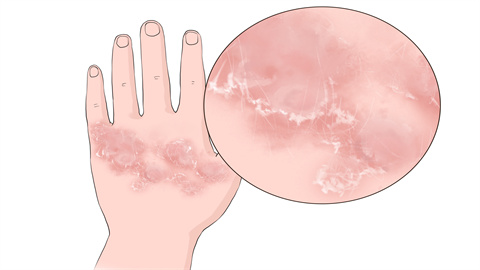
The core pathogenic mechanism of psoriasis involves systemic immune dysfunction, leading to abnormally accelerated keratinocyte turnover and excessive epidermal cell proliferation. Commonly affected sites include the scalp, extensor surfaces of the limbs, and trunk. Typical features consist of well-demarcated, bright red plaques covered with multiple layers of silvery-white scales. Some patients may also experience xerosis (dry skin), pruritus, and localized burning pain. Triggers for disease flares include cold exposure, sleep deprivation, excessive psychological stress, and cutaneous trauma.
Clinical management focuses primarily on long-term symptom control. For mild cases, topical emollients and anti-inflammatory ointments help alleviate skin lesions. In moderate-to-severe cases, systemic medications and physical therapies (e.g., phototherapy) may be added to modulate overall immune status and suppress abnormal epidermal proliferation. Consistent, regular treatment helps stabilize skin condition, reduce lesion extension and recurrence frequency, and preserve normal epidermal metabolic function.
Maintaining emotional stability and adhering to a regular daily routine—including daily full-body moisturization—are crucial. Avoid spicy or irritating foods, skin injuries, and other external environmental irritants to sustain cutaneous homeostasis.


