


Is purpura a sign of leukemia?

Skin purpura is not synonymous with leukemia; rather, it is a clinical manifestation of subcutaneous hemorrhage that can result from various causes, including vascular abnormalities and platelet disorders. Leukemia accounts for only a small minority of cases—most purpura cases stem from benign vasculitic conditions. Recurrent skin purpura or progressive expansion in distribution warrants prompt medical evaluation and definitive diagnosis.
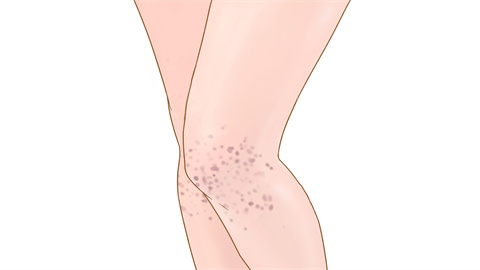
The majority of skin purpura originates from allergic (hypersensitivity) vasculitis, commonly triggered by infections, dietary factors, or environmental irritants. These triggers increase capillary permeability, leading to extravasation of blood and formation of petechiae and ecchymoses. Such benign purpura does not involve bone marrow hematopoietic dysfunction and is often accompanied by mild pruritus and localized tenderness. When joints or the gastrointestinal tract are involved, patients may experience swelling, pain, or abdominal discomfort. With appropriate anti-allergic and anti-inflammatory treatment, skin lesions typically resolve gradually.
Purpura associated with leukemia arises from abnormal bone marrow hematopoiesis, resulting in reduced platelet production and impaired coagulation. This type of purpura appears irregularly and is frequently accompanied by persistent low-grade fever, fatigue, pallor, and lymphadenopathy. Definitive diagnosis requires bone marrow examination, followed by systemic therapy targeting the underlying hematopoietic disorder to control bleeding manifestations.
In daily life, maintain a light, hygienic diet and avoid known allergens. Practice proper physical protection to minimize skin trauma from bumps or injuries. Adhere to regular sleep-wake cycles to stabilize immune function and reduce the frequency of purpura episodes.


