


How to Treat Keloids

Keloid treatment may involve daily protective care, pressure therapy, topical medications, intralesional injections, and surgical correction—aiming to suppress abnormal fibrous tissue proliferation, soften raised lesions, and gradually restore the skin’s normal contour. If a keloid rapidly enlarges or is accompanied by persistent pain, itching, or other concerning symptoms, prompt medical evaluation and treatment are strongly recommended.
1. Daily Protective Care: Protect the scarred area from sun exposure and physical trauma—avoid friction, bumps, and prolonged UV exposure. Minimizing recurrent mild inflammation helps stabilize the local skin environment and prevents further keloid progression.
2. Pressure Therapy: Apply consistent, controlled pressure to the keloid surface to restrict excessive subcutaneous fibroblast proliferation. Sustained compression gradually softens hardened tissue, slows thickening and elevation of the lesion, and supports normalization of the overlying skin.
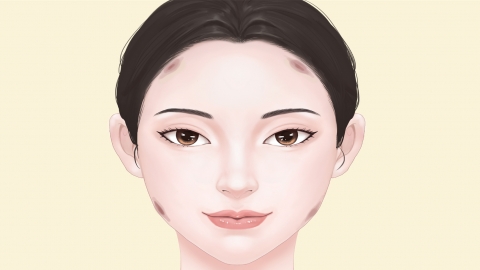
3. Topical Medications: Regularly apply specialized scar-repair formulations directly onto the affected area to hydrate and soothe damaged skin. These agents help realign disorganized collagen fibers and improve skin hardness and elevation; with long-term use, they can visibly reduce the appearance of superficial keloids.
4. Intralesional Injections: For prominently elevated keloids, inject therapeutic agents directly into the lesion. This modulates local tissue metabolism, reduces fibroblast activity, softens hypertrophic tissue, and alleviates symptoms such as elevation, induration, and pruritus.
5. Surgical Correction: For large, recalcitrant keloids, surgical excision removes excess pathological tissue and restores a smoother skin surface. Postoperative adjunctive therapies—including pressure garments, silicone sheeting, or intralesional injections—are essential to minimize recurrence risk.
Maintain a light, balanced diet and regular sleep schedule; engage in moderate physical activity to enhance skin metabolism; limit intake of spicy or heavily seasoned foods; and consistently protect the scarred skin to consolidate therapeutic outcomes and support sustained recovery.


