


How to Treat Severe Acne on the Face

Acne covering the entire face can be managed through daily skin cleansing and care, localized physical treatments, topical medications, oral medications for systemic regulation, and aesthetic medical interventions—aiming to reduce excessive sebum production, resolve inflammatory papules, and prevent recurrent breakouts. If large cysts or nodules develop, or if there is obvious facial suppuration and infection, prompt medical consultation and treatment are strongly recommended.
1. Daily Skin Cleansing and Care: Use a gentle facial cleanser to clean the face; avoid vigorous squeezing or rubbing of acne-prone areas. Reduce intake of high-sugar and greasy foods, keep the face dry, prevent excess oil from clogging pores, and minimize conditions that exacerbate acne.
2. Physical Local Management: Maintain balanced oil control and hydration on the face, and avoid frequent touching of affected areas. Do not manually squeeze comedones or pustules, as this may spread inflammation, increase post-acne marks and scars, and help mitigate local inflammatory responses.
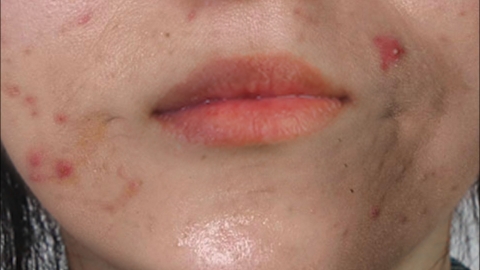
3. Topical Medication Intervention: Apply appropriate topical agents according to lesion type directly onto affected facial areas to inhibit Propionibacterium acnes. This helps reduce erythema and papular swelling; monitor skin tolerance closely to avoid adverse reactions such as redness or stinging, and gradually improve overall facial acne.
4. Oral Medication Regulation: For severe inflammatory acne with widespread lesions, systemic oral medications may be prescribed to modulate the body’s internal environment. Follow professional guidance regarding dosage duration and schedule regular follow-ups to monitor systemic responses and alleviate generalized inflammatory skin manifestations.
5. Aesthetic Medical Support: When residual acne marks or scars persist after pharmacological treatment, consider targeted aesthetic procedures. These may include deep pore cleansing and skin resurfacing to improve textural irregularities. Post-procedure, maintain diligent moisturization and sun protection to minimize adverse skin reactions.
Maintain regular sleep patterns and avoid late-night habits; limit consumption of sweets and fried foods; manage stress effectively; refrain from frequently changing skincare products; and consistently adhere to a comprehensive skincare regimen to reduce the likelihood of acne recurrence.


