


How to Determine Whether You Have H1N1 Influenza

Diagnosis of influenza A (H1N1) can be made by evaluating systemic symptoms, respiratory manifestations, exposure history, rapid antigen testing, and nucleic acid testing. Integrating these various pieces of information helps distinguish influenza A from the common cold. If persistent high fever or respiratory distress occurs, prompt medical evaluation and treatment at a hospital are recommended.
1. Assessment of systemic symptoms: High fever develops rapidly after infection, often accompanied by myalgia, fatigue, and headache. These systemic symptoms tend to be severe and onset abruptly—distinctly different from the mild, nonspecific discomfort associated with the common cold.
2. Respiratory manifestations: Sore throat and dry cough typically appear after the onset of systemic symptoms; some individuals may also experience rhinorrhea and nasal congestion. Cough often persists for an extended duration and may be accompanied by pharyngeal swelling and pain.
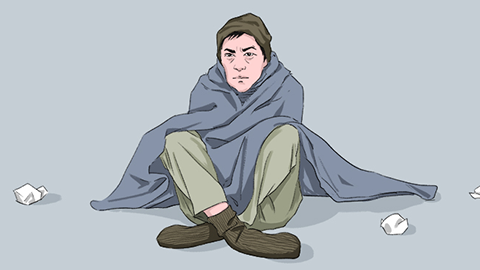
3. Exposure history assessment: Recall recent contact with confirmed or suspected influenza patients, or visits to crowded, poorly ventilated indoor settings. Influenza A is highly contagious, with an incubation period following viral exposure; such exposure significantly increases the risk of infection.
4. Rapid antigen testing: Nasopharyngeal or oropharyngeal specimens are collected and tested using influenza A-specific rapid antigen test kits. This method is simple and yields results quickly. A positive result supports the diagnosis of influenza A, whereas a negative result does not fully rule out infection.
5. Nucleic acid testing (e.g., RT-PCR): Specimens are collected at healthcare facilities for laboratory-based nucleic acid testing, which offers higher sensitivity and specificity. This test can definitively identify influenza A virus and differentiate among subtypes, providing reliable evidence for clinical management and treatment decisions.
During illness, drink ample warm water, ensure sufficient rest, practice strict home isolation, minimize outdoor activities, monitor body temperature regularly, and maintain a light, easily digestible diet to support recovery.


