


What are the symptoms of H1N1 influenza?

Individuals infected with influenza A typically experience sudden high fever, muscle aches and fatigue, sore throat, coughing and runny nose, and headache. The onset is rapid, and systemic discomfort is generally more severe than that of the common cold. If persistent high fever fails to subside or symptoms such as chest tightness and shortness of breath occur, prompt medical evaluation and treatment at a hospital are recommended.
1. Sudden high fever: Body temperature rises rapidly after infection, often reaching high levels and persisting for several days. Patients may feel hot and flushed or experience chills. Fever frequently recurs despite antipyretic medication.
2. Muscle aches and fatigue: Generalized muscle and joint pain occurs, accompanied by heaviness and weakness in the limbs. Even minimal physical activity exacerbates fatigue, reflecting significant energy depletion; prolonged rest is required for partial relief.
3. Sore throat: Inflammation of the pharyngeal mucosa causes swelling, pain, dryness, and itching. Pain intensifies during swallowing, and some individuals report a burning sensation in the throat—discomfort that may interfere with normal eating and drinking.
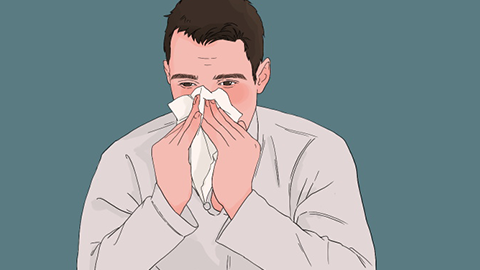
4. Cough and rhinorrhea: Viral invasion of the respiratory tract leads to dry cough or scant sputum production, along with nasal congestion and rhinorrhea. Coughing occurs intermittently, and respiratory symptoms typically emerge gradually following the onset of systemic fever.
5. Headache: Viral stimulation induces a sensation of pressure or throbbing pain in the head, commonly localized to the forehead or temples. Headache usually coincides with fever and gradually subsides as body temperature decreases.
During the acute phase of illness, drink plenty of warm water, ensure adequate sleep, practice home isolation, consume light and easily digestible foods, minimize outdoor activities, and monitor body temperature regularly—these measures support the body’s immune response and promote faster recovery.


