


How to Prevent Transmitting H1N1 Influenza to Family Members

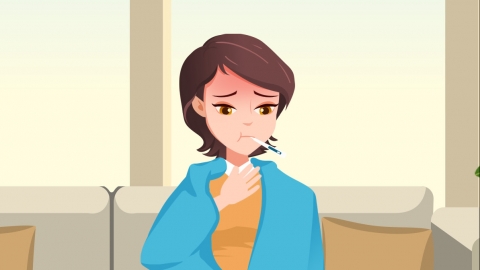
To prevent transmission of H1N1 influenza to family members, implement isolation and protective measures, ensure indoor ventilation, conduct environmental disinfection, maintain proper personal hygiene, and encourage proactive protection by household members—thereby interrupting viral transmission routes and reducing the risk of H1N1 influenza infection among family members. If a family member develops persistent high fever, difficulty breathing, or other concerning symptoms, seek prompt medical evaluation and treatment at a hospital.
1. Implement isolation and protective measures: Infected individuals should ideally reside in a separate room to minimize close contact with other family members. When leaving the room, wear a mask; use separate utensils, bowls, chopsticks, and drinking cups; and avoid transmission via respiratory droplets and direct contact.
2. Ensure indoor ventilation: Open windows and doors at scheduled times daily to exchange indoor air, maintaining ventilation for an adequate duration each time. This reduces the concentration of airborne virus particles indoors and prevents progressive accumulation of influenza virus in enclosed spaces.
3. Conduct environmental disinfection: Regularly wipe frequently touched surfaces such as door handles, tabletops, and light switches. Use appropriate disinfectants on hard surfaces, as influenza viruses readily adhere to such surfaces; thorough disinfection helps eliminate residual pathogens.
4. Practice proper personal hygiene: Cover your mouth and nose when coughing or sneezing; wash hands frequently with running water and soap. Avoid touching your eyes, nose, or mouth with unwashed hands to prevent self-inoculation or transmission to others via mucosal contact.
5. Encourage proactive protection by family members: Household members should wear masks when caring for or interacting with infected individuals and maintain a safe physical distance whenever possible. Increase fluid intake, ensure sufficient rest, and bolster immune function. Where feasible, receive the seasonal influenza vaccine in advance.
Infected individuals should prioritize rest, drink ample warm water, and maintain a balanced diet. Family members should monitor their own health closely, minimize sharing of personal items, and consistently adhere to protective measures until all symptoms have fully resolved.


