


Can pregnant women eat water spinach?

Pregnant women may consume water spinach (Ipomoea aquatica) in moderation. It is rich in dietary fiber, vitamins, and minerals, helping to meet nutritional needs during pregnancy and promoting intestinal motility—provided intake quantity and cooking methods are appropriately controlled. Avoid consuming large amounts at one time; if persistent gastrointestinal discomfort occurs, seek prompt medical evaluation.
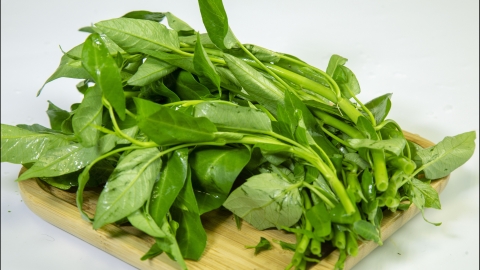
The dietary fiber in water spinach helps alleviate common pregnancy-related constipation. Its potassium and calcium content also support normal metabolic function. However, water spinach contains relatively high levels of oxalic acid; excessive intake may impair calcium absorption and potentially cause abdominal distension or diarrhea. To reduce oxalate content, briefly blanch the vegetable in boiling water before cooking, and opt for light preparation methods such as stir-frying with minimal oil or making clear soups—avoiding heavy seasoning with oil and salt.
Pregnant women with relatively weak spleen-stomach function should carefully control their portion size of water spinach and avoid overconsumption in a single meal. Pair it with nutrient-rich foods such as eggs, lean meat, or soy products to ensure balanced nutrition per meal. Select tender, fresh stems and leaves, avoiding older, yellowed foliage. Thoroughly wash the vegetable to minimize potential pesticide residue.
Combine water spinach with other seasonal vegetables in rotation to ensure dietary diversity. Maintain a pattern of eating smaller, more frequent meals and incorporate gentle physical activity to support stable gastrointestinal function.


