


Can pregnant women eat grapes?

Pregnant women may consume grapes in moderation. Grapes contain glucose, vitamins, and minerals that help meet nutritional needs during pregnancy; however, their sugar content is relatively high, so total intake should be carefully controlled. If blood glucose levels show abnormal fluctuations, prompt medical consultation and monitoring are essential.
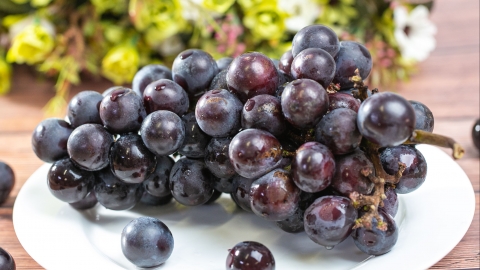
Anthocyanins and various vitamins in grapes participate in human metabolism, while organic acids in the pulp can stimulate appetite. However, grapes have a high glycemic load; excessive consumption increases the risk of gestational diabetes. Before eating, thoroughly rinse the grape skins—especially within crevices—to remove residual contaminants. Consume grapes in small portions per serving, avoiding large quantities at once.
For pregnant women with abnormal blood glucose levels, grape intake should be reduced and preferably consumed between meals—not immediately after meals. Select fresh, plump grapes and discard any spoiled or deteriorated ones. Avoid drinking large amounts of water immediately after eating grapes to minimize the risk of abdominal distension or diarrhea.
Rotate among different fruit varieties and combine them with whole grains and high-quality protein sources to ensure balanced daily nutrition, maintain stable blood glucose levels, and support steady metabolic function throughout pregnancy.


