


What Are the Symptoms of Ectopic Pregnancy?

Symptoms of ectopic pregnancy include amenorrhea, lower abdominal pain, abnormal vaginal bleeding, syncope and shock, and pelvic masses. In ectopic pregnancy, the fertilized egg implants and develops outside the uterine cavity; as the embryo grows, it damages surrounding tissues, potentially leading to rupture and hemorrhage—causing various discomforts. If severe, tearing-like lower abdominal pain or massive bleeding accompanied by syncope occurs, prompt medical evaluation and treatment are essential.
1. Amenorrhea: Most patients experience amenorrhea lasting six to eight weeks. Some individuals show no obvious amenorrhea but instead present with delayed menstruation or reduced menstrual flow, often accompanied by mild lower abdominal heaviness or pressure—easily mistaken for normal menstruation, thereby delaying diagnosis.
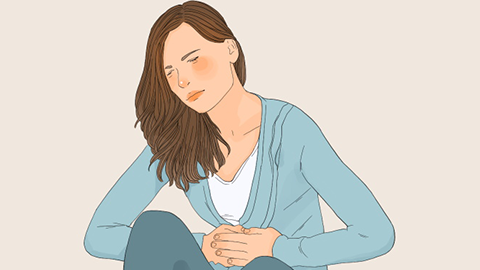
2. Lower abdominal pain: Pain is typically a dull, unilateral lower abdominal ache or a sensation of pressure. Upon rupture of the ectopic lesion, patients experience sudden, severe, tearing-like unilateral lower abdominal pain, often accompanied by nausea and vomiting. The pain may progressively spread across the entire abdomen and may even radiate to the shoulder. Pain intensity generally worsens as the condition advances.
3. Abnormal vaginal bleeding: After embryonic demise, irregular vaginal bleeding occurs—typically dark brown in color, scanty and spotting in nature, usually less than normal menstrual flow. It may be associated with passage of decidual tissue and persists for an extended duration, frequently misdiagnosed as simple menstrual irregularity.
4. Syncope and shock: Acute intra-abdominal hemorrhage leads to rapid reduction in circulating blood volume. Combined with intense abdominal pain, this may cause dizziness or syncope in milder cases; in severe cases, hypovolemic (hemorrhagic) shock develops, manifesting as pallor, cold extremities, and weak, thready pulse.
5. Pelvic mass: Blood accumulating in the peritoneal cavity clots and adheres to adjacent tissues, forming a mass. Larger masses may be palpable in the lower abdomen, accompanied by a sensation of heaviness or pressure. Recurrent hemorrhage causes progressive enlargement of the mass and may trigger inflammatory responses in surrounding tissues.
If ectopic pregnancy is suspected, all strenuous physical activity must cease immediately. Patients should rest in bed, avoid abdominal pressure or massage, seek urgent medical evaluation, maintain emotional calm, refrain from self-administering medications, closely monitor their physical condition, and take precautions against the risk of sudden rupture and hemorrhage.


